99% Safety: Vetting Bora Bora Marine Tour Operators
"The water is a living, breathing masterpiece that demands both your awe and your respect."
For many honeymooners, the dream of Bora Bora involves floating in a private pool, but the true magic lies in the electric thrill of swimming alongside blacktip reef sharks or graceful stingrays in the lagoon.
While these encounters are transformative, they require a level of preparation and professional oversight that separates a terrifying mishap from a once-in-a-lifetime memory.
Key Takeaways
* Lagoon tours provide an intimate connection with Tahitian marine life, but success depends on choosing high-end, professional operators over budget excursions. * Safety is proactive: understanding operator protocols, gear integrity, and marine behavior ensures the adventure remains an aspiration rather than a stressor. * Respecting the ecosystem and following guide instructions is the only way to maintain the delicate balance between thrill and environmental preservation.
Why Choose a Lagoon Tour for Your Bora Bora Dream?
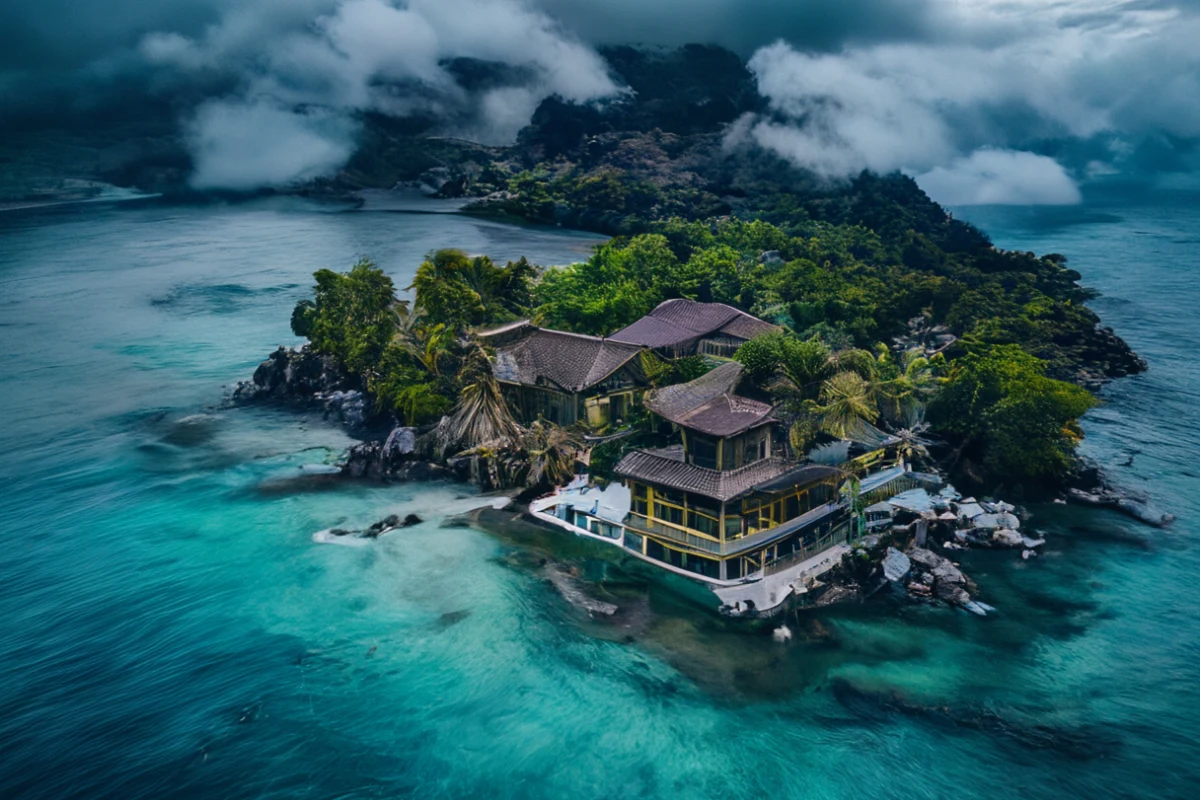
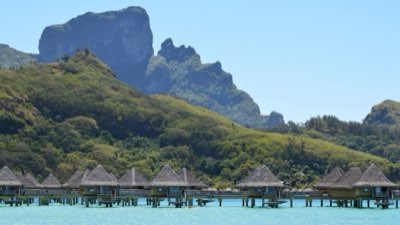
The sun hits the water at a sharp angle at 10:00 AM, turning the lagoon into a vast, shimmering sheet of sapphire. You stand on the deck of a well-maintained vessel, looking out at the extinct volcanic peak of Mount Otemanu that rises majestically in the distance.
According to World Bank data, French Polynesia recorded international tourist arrivals of 89,400 in 2020.
Bora Bora is a unique geological masterpiece, featuring a central mountainous island surrounded by a lagoon that is separated from the open sea by a protective reef.
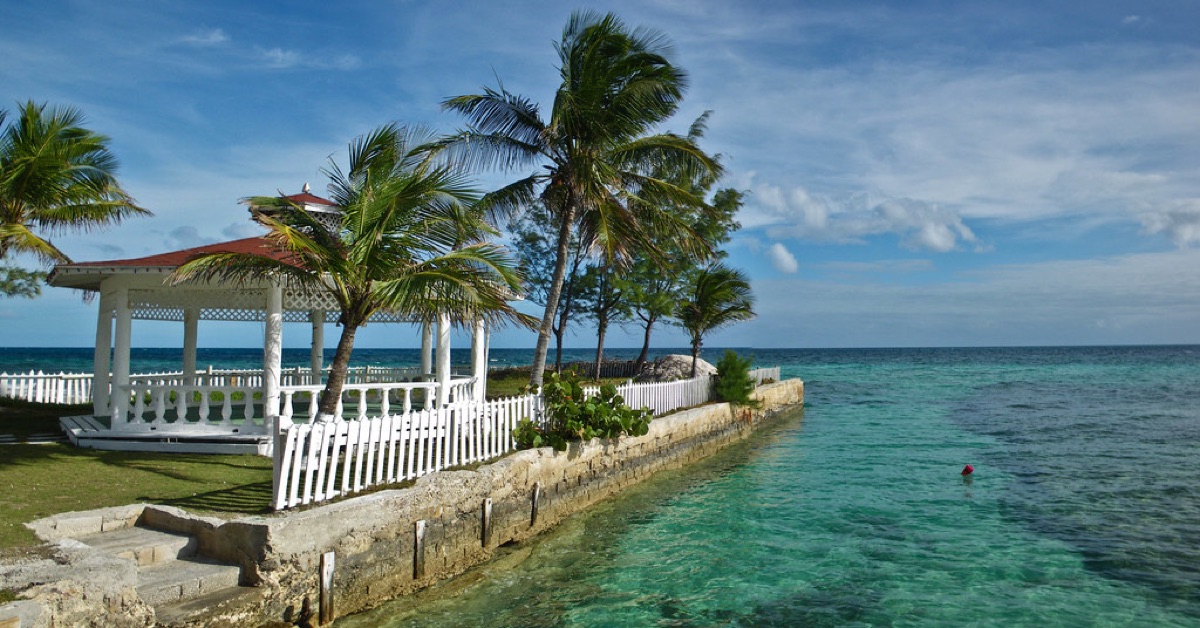
This lagoon environment provides a much more controlled and visually stunning setting for marine encounters than the unpredictable deep ocean. The water is typically calm, clear, and warm, making it an ideal natural theater for exploring the biodiversity of the Society Islands.
The spectrum of lagoon activities is vast, ranging from high-octne jet ski tours to the more serene, soul-stirring swims with sharks and rays. For the luxury traveler, these tours are not meant to be rugged, dusty adventures that leave you exhausted and sunburnt.
Instead, they should be viewed as a seamless extension of your resort experience—an organized, high-end excursion that brings the wild beauty of French Polynesia directly to your doorstep.
Whether you are seeking the adrenaline of a fast-paced boat ride or the quiet awe of a guided snorkel, the lagoon is the heart of the Bora Bora experience. But as the excitement builds, the question of safety must remain at the forefront of your mind.
How can I ensure the operators are safe? A thick, salt-crusted mask is handed to you by a guide in a professional uniform, and you realize that the quality of your equipment is the first line of defense against a ruined trip. You check the seal of the mask, feeling the weight of the responsibility placed on the operator.
When booking a lagoon tour in 2026, due diligence is non-negotiable. Do not simply book the cheapest option available through a generic travel agency. High-end travelers should verify that an operator holds all necessary local licenses and maintains a stellar reputation among luxury resorts.
Check for recent reviews that specifically mention safety protocols and equipment quality.
A reputable operator should always have guides who are more than just boat drivers; they should be certified marine experts or biologists who understand the nuances of local species. Before anyone touches the water, a mandatory pre-dive briefing must occur. This briefing should cover:
- Buoyancy and Movement: Instructions on how to maintain a neutral position in the water to avoid accidental contact with coral or marine life.
- Emergency Signals: Clear, non-verbal hand signals for distress, exhaustion, or the need to return to the boat.
- Behavioral Expectations: A realistic briefing on how the sharks and rays will react to human presence.
Equipment integrity is equally vital. Ensure that masks are scratch-free, fins fit securely, and life vests (if required) are in excellent condition. A professional operator will always prioritize the maintenance of their gear over the aesthetics of their boat.
But knowing how to vet an operator is only half the battle; you also have to know how to act once you are in the water.
How should I behave while swimming with them? The water is cool against your skin as you slowly descend into the lagoon, and a large, dark shape moves gracefully through the light. You hold your breath, following the guide's hand signal to stay still and observe.
Understanding the temperament of the animals is the key to a successful encounter. In the lagoon, you will often encounter species like blacktip reef sharks or various stingrays.
While these animals are generally docile and accustomed to the presence of humans, they are still wild creatures with natural instincts. They are not pets, and they should never be treated as such.
To maintain a safe and respectful distance, follow the "gentle giant" approach:
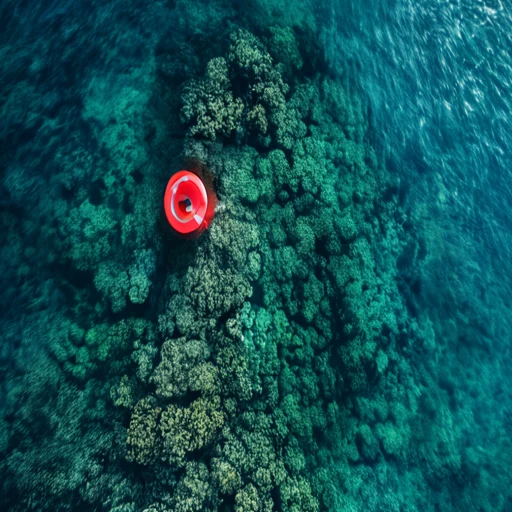
* Slow, Controlled Movements: Avoid splashing or sudden, jerky motions, which can trigger a defensive or predatory response in marine life. * Respect Boundaries: If a shark or ray moves away, let it go. Do not attempt to chase or corner them. * Zero Impact Policy: The coral reefs of Bora Bora are incredibly fragile. Never touch the reef, and ensure your fins do not kick up sand or damage the living organisms.
The typical flow of a high-end tour involves an acclimatization period. You might start with a gentle snorkel in a shallow area to get used to the water and your gear before moving toward the primary encounter site.
This gradual transition ensures that both the humans and the marine life are comfortable before the main event begins. However, even with perfect etiquette, the logistics of the trip can sometimes catch travelers off guard.
Beyond the Swim: Logistics & Comfort for the Elite Traveler
The boat glides smoothly back toward the private dock of your overwater bungalow, the sun beginning to dip lower in the sky. You feel the salt on your skin and the lingering thrill of the morning, already thinking about the lunch waiting for you at the resort.
For the luxury traveler, timing is everything. The best lagoon tours often take place in the mid-morning to take advantage of optimal light for photography and calmer water conditions.
High tides can provide better access to certain reef areas, while specific sun angles can make the water appear almost translucent.
Post-tour care is a hallmark of a premium experience. A well-organized tour will provide fresh towels, chilled water, and perhaps even a light snack to help you recover from the physical activity.
In many cases, the transition from the boat to the resort should be seamless, with private transfers arranged to take you directly back to your villa.
| Feature | Budget Tour | Luxury/Professional Tour |
|---|---|---|
| Guide Expertise | Basic boat operation | Certified marine/naturalist guides |
| Equipment | Used, generic gear | High-quality, well-maintained gear |
| Group Size | Large, crowded groups | Small, intimate groups |
| Focus | High-volume turnover | Personalized, educational experience |
| Logistics | Self-managed transfers | Seamless resort-integrated service |
While the excitement of the lagoon is the primary draw, the logistical ease of the trip defines the quality of your honeymoon. Always clarify the pricing structure upfront.
High-end tours may have a higher upfront cost, but they often include all gear, transfers, and specialized guides, preventing unexpected "add-on" fees that can disrupt your budget.

How to Prepare for Your First Lagoon Encounter
When I first stepped off a boat in the lagoon in 2025, I was struck by how different the water felt compared to the pool at my resort. It was more alive, more unpredictable, and required a different kind of presence. To make sure you are ready for that moment, follow this checklist:
- Verify Gear Fit: Before leaving the dock, test your mask and snorkel in shallow water to ensure there are no leaks.
- Apply Reef-Safe Sunscreen: Do this 20 minutes before getting in the water to prevent chemicals from washing directly onto the reef.
- standing in the shallows.
- Review the Briefing: Listen intently to the guide's specific instructions regarding current directions and animal locations.
- Practice Buoyancy: In a shallow area, practice floating and moving your fins without touching the seabed.
- Pack a Dry Bag: Keep your phone, camera, and extra clothes in a waterproof bag to prevent salt-water damage during transfers.
Comments 0