Lagoon tour safety guide: Know the distances and why
"Safety is the silent foundation of every unforgettable journey through the water."
Navigating a lagoon tour requires awareness of local geography and environmental changes to ensure a secure experience. This guide covers essential precautions, geographical context, and safety considerations for travelers.
Key takeaways: * Understand the geographical scale and remote nature of the destination. * Be aware of environmental shifts like rising land or changing shorelines. * Prioritize local operator guidelines to maintain safety during boat activities.
How can I prepare for a lagoon tour before you go?

A traveler stands on a wooden pier, checking the horizon where the blue water meets the sky. Preparing for a lagoon tour before you go involves understanding the vastness of the environment and the distances involved in maritime travel.
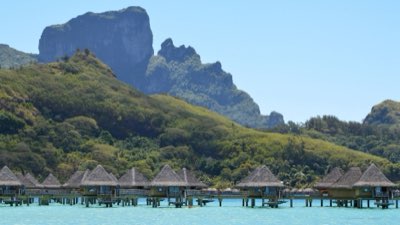
The geography of the region can be quite expansive. For instance, Bora Bora has a total land area of 30.55 km2 (12 sq mi), which provides a sense of the scale of the island itself. Understanding these dimensions helps in planning the duration of excursions and managing expectations for travel times.
In some regions, the lagoon is 75 km (47 mi) to the west of Höfn town and 60 km (37 mi) east of Skaftafell, illustrating how large these water bodies can be. Large distances mean that fuel, weather, and timing are critical factors for any operator.
A traveler should always verify the distance from the main island to the tour site. Knowing the physical limits of the area ensures you are prepared for longer transit times.
- Research the local weather and tide schedules.
- Pack waterproof gear and sun protection.
- Confirm your meeting point and departure time.
What do I need to handle during my lagoon tour? Lagoon tour safety guide The boat engine hums steadily as the vessel cuts through the clear, turquoise waves. Managing a lagoon tour during activity requires constant attention to the vessel's movement and the surrounding environment.
One must consider the natural characteristics of the water. In certain environments, the land rises around 2–4 cm each year as glaciers melt, somewhat balancing out the retreating shoreline. While these shifts are slow, they represent the dynamic nature of coastal and lagoon environments.
It is also important to note that some areas have a breadth of around 25 km and serve as bird habitat in the summer months. Maintaining a respectful distance from wildlife and observing seasonal habitat changes is a key part of safe and ethical touring.
Always follow the captain's lead regarding speed and proximity to the shoreline. Keeping a watchful eye on the environment helps prevent accidents in changing landscapes.
In this sequence, the second step is the most extensive.
What warnings should I know before my lagoon tour? The sun beats down on the deck, and the wind picks up as the boat heads toward the open sea. Identifying lagoon tour warnings involves recognizing the risks of isolation and the importance of professional oversight.
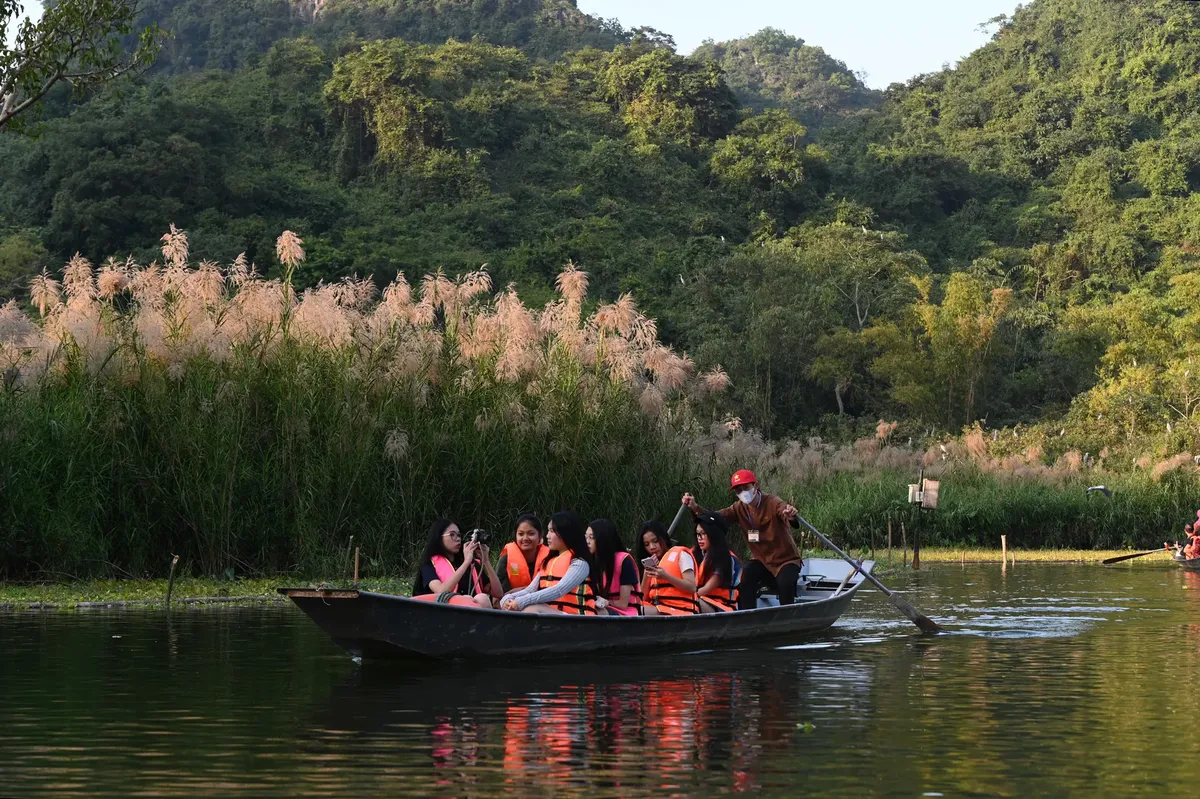
Safety often depends on who is managing the waters.
Using authorized operators who have specific leases for the area ensures that the people in charge are legally and professionally responsible for the passengers.
The scale of the water can also be deceptive. In some locations, the glacial front is now about 8 km (5.0 mi) away from the ocean's edge, and the lake covers an area of about 25 km2 (9.7 mi2). These vast areas can make rescue operations difficult if an emergency occurs.
Staying within the designated boundaries set by the operator is vital. Never venture into deep or restricted waters without professional guidance.
How do I handle a lagoon tour after experience?
The boat pulls back into the dock, and passengers step onto the solid ground with a sense of relief. Managing a lagoon tour after experience involves reflecting on the journey and ensuring all gear and health needs are addressed.
Travelers should check their physical condition after a long day on the water. Environmental factors can cause fatigue or dehydration, especially in tropical or remote locations.
It is also a good time to review the trip's logistics. For example, Bora Bora is located in the Society Islands, which are part of French Polynesia, and is located northwest of Tahiti, about 260 km (162 mi) northwest of Papeete, Tahiti.
Being aware of such significant distances helps travelers plan their return or next leg of travel with proper rest in mind.
I always check my equipment for salt damage after returning from the water. Ensuring everything is cleaned and stored properly prevents future issues.
What are the specific safety steps?
A guide points toward the horizon, outlining the path the boat will take through the waves. To ensure a safe trip, follow these three steps and a final check.
- Verify the operator's credentials and local permits before boarding. 2. Listen to the safety briefing regarding life jackets and emergency procedures. 3. Coordinate all movements with the captain to avoid hitting shallow areas.
Check the weather forecast and local sea conditions immediately before departure.
Can environmental changes affect my tour?
The shoreline looks different than it did in old photographs, shifting slightly with the passage of time. Environmental changes can indeed impact how tours are conducted and how safe the routes are.
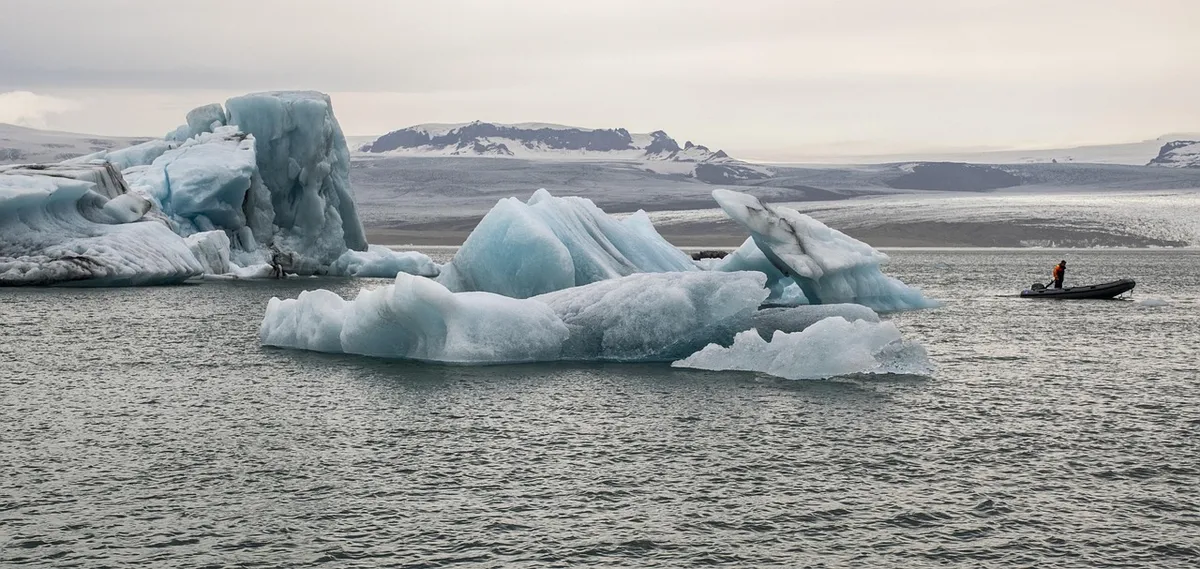
As the land rises or the shoreline retreats, the navigable paths within a lagoon may change. For example, as the glaciers melt, the land rises around 2–4 cm each year, somewhat balancing out the retreating shoreline.
These changes can affect the depth of the water and the stability of the landing sites.
The scale of the water, such as a lake covering an area of about 25 km2 (9.7 mi2), means that even small changes in the landscape can alter the entire layout of the tour route.
A limitation of these observations is that specific local changes vary significantly depending on the specific geographic location of the tour.
The subject here is Lagoon tour safety guide.
The same subject is also called Lagoon tour precautions.
The same subject is also called Safe lagoon touring tips.
The same subject is also called Lagoon tour safety info.
Related
Comments 0