Tahiti Travel: 7 Ways to Maximize Luxury Value in Polynesia
"Luxury is not about how much you spend, but how much of the moment you actually capture."
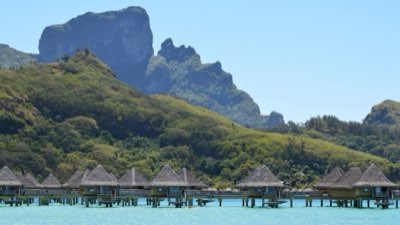
True luxury in French Polynesia isn't found in a bloated bank statement; it is found in the seamless transition from a sunrise over Mount Otemanu to a private breakfast on your bungalow deck. To achieve this, you must transition from a passive spender to a strategic curator of your own experience.
Key Takeaways * Focus on the View: Your bungalow selection is your largest investment; choose based on privacy and view rather than just room size. * Bundle for Value: Pre-booking lagoon tours and dining packages prevents the "tourist tax" of last-minute on-site upselling.
* Master the Timing: Strategic seasonal booking and efficient inter-island routing are the keys to maximizing your budget. * Seek Cultural Depth: Real value comes from authentic Polynesian immersion, which often costs less than resort-based entertainment but offers higher emotional ROI.

Why Your Tahiti Dream Vacation Budget Needs a "Value Audit" Before Booking
I remember sitting in a dim airport lounge in Los Angeles in late 2025, staring at a spreadsheet of flight costs and resort fees, wondering if I was actually planning a vacation or just a very expensive logistical nightmare.
The flickering light of the terminal felt worlds away from the tropical paradise I was trying to budget for.
According to the World Bank, French Polynesia recorded international tourist arrivals of 89,400 in 2020.
I realized then that without a clear audit of where every dollar goes, you aren't traveling—you're just paying for the privilege of being busy. In 2026, as travel costs fluctuate, this audit is even more vital.
The "All-Inclusive vs. A La Carte" trap is the first hurdle. In Bora Bora, true all-inclusive resorts are rare; most luxury properties operate on a high-end a la carte basis.
If you book a package that promises "meals included" but excludes premium lagoon excursions or private transfers, you aren't saving money—you're just setting a baseline for future surprises.
The "Flight Path Multiplier" also plays a massive role. Routing through Papeete (PPT) often involves multiple legs, and failing to account for the cost of inter-island shuttles or domestic flights can derail a budget. In 2026, inter-island travel remains a significant variable.
Finally, be wary of the "Hidden Tax of Luxury." Many premium resorts charge a steep premium for services that are often available more authentically—and cheaper—just a short boat ride away. But how do you actually pick the right room without overpaying?
Decoding the Resorts: Choosing Your Sanctuary Beyond the Price Tag
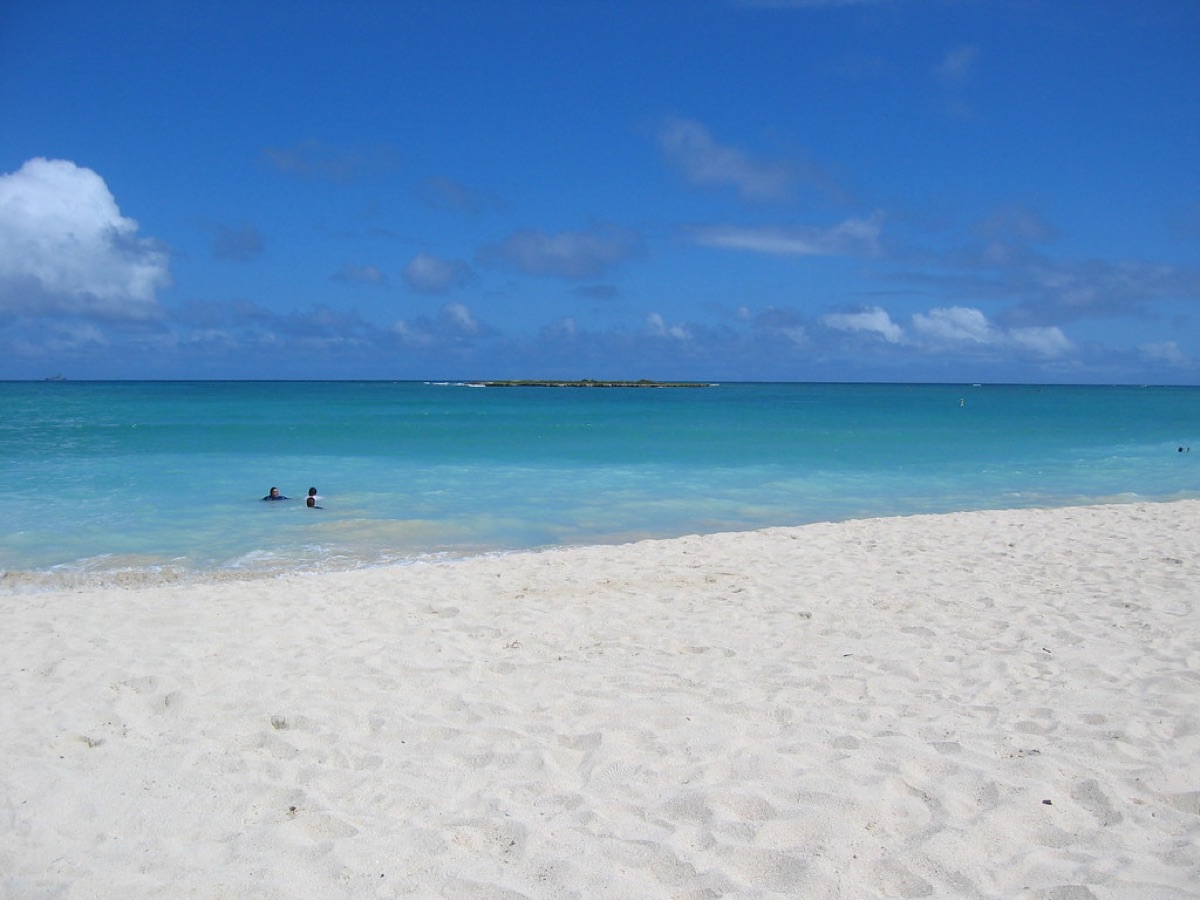
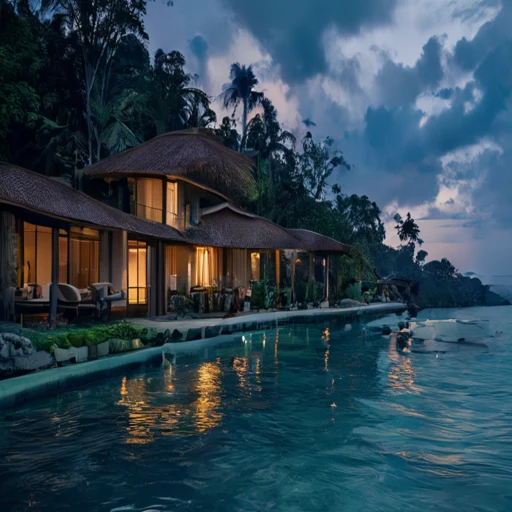
The sun hit the turquoise water of the lagoon as I stood on the dock of a mid-range bungalow in 2025, looking at the massive, ultra-luxury villas in the distance. I realized that while the $3,000-a-night suite was beautiful, the $1,200-a-night suite offered 90% of the same sensory magic.
When choosing your sanctuary, you must perform a Tier Mapping of overwater bungalows.
| Bungalow Tier | Primary Value | Best For |
|---|---|---|
| Entry-Level Overwater | Direct lagoon access, essential luxury. | Couples focused on water activities. |
| Mid-Range/Premium | Better privacy, larger decks, enhanced views. | Honeymooners seeking romantic seclusion. |
| Top-Tier/Villa | Private plunge pools, direct Mt. Otemanu views. | Milestone celebrations and ultimate privacy. |
The "Resort as Destination" principle is vital because, in Bora Bora, the hotel *is* the primary attraction. If you spend your entire budget on a flight and a basic room, you miss the very reason you traveled.
However, you must decide: do you want a massive suite you'll only sleep in, or a smaller, premium bungalow with a better view?
Pre-booking your specific room category is essential; requesting a "view upgrade" upon arrival often results in paying a 30% premium that could have been avoided with early planning.
But once you have your room, how do you spend your time without draining your bank account?
Maximizing Your Time on the Water: Lagoon Tours Without the Tourist Tax
The salt spray hit my face as our small, local boat cut through the crystal-clear water toward a hidden reef in the early morning of 2026. We weren't part of a massive, loud tour group; we were on a private charter that felt like a personal invitation to the ocean.
To maximize value, you must master Activity Sequencing. Don't book a high-priced private boat tour on your first day. Start with group snorkeling excursions to get your bearings and meet local guides.
Once you understand the geography of the lagoon, transition to a private charter for a more intimate experience.
The "Small Detail, Big Impact" rule suggests that choosing a local, independent guide often provides a more profound connection to the reef than a large-scale packaged tour.
While a large tour might be cheaper per person, a local guide can take you to specific, non-touristy dive sites that offer a much higher experiential value.
Integrating cultural touchpoints—like visiting a local pearl farm or a traditional wayfinding demonstration—ensures your time on the water is an investment in knowledge, not just a swim. But what about the food you eat after a long day in the sun?
Dining in Tahiti: From Indulgence to Investment
I sat at a small wooden table at a local fare (traditional house) during a humid afternoon in 2025, smelling the scent of fresh vanilla and coconut. The meal was simpler than the five-course tasting menu at the resort, but it felt more deeply connected to the islands.
When dining, apply the "Is it Worth It?" test. Evaluate a restaurant based on the provenance of its ingredients—like fresh mahi-mahi or locally grown vanilla—and the setting. If you are paying $200 for a meal just because you are sitting on a deck, you are paying for the view, not the food.
Strategic meal planning is your best tool. If your resort offers a half-board option (breakfast and one other meal), take it. This allows you to have breakfast at the resort and then explore local markets or small seaside eateries for lunch.
Balancing high-end, "investment" dinners at the resort with authentic, lower-cost culinary deep dives in local villages prevents "budget fatigue" and ensures you experience the true flavors of French Polynesia. However, you also need to think about how you move between these islands.
Beyond the Beach: Preserving Your Experience While Traveling
The ferry hummed as we moved between islands in the summer of 2026, the rugged peaks of Moorea rising from the sea like sleeping giants. We had spent three days on one island before moving, and the sense of peace was far greater than if we had rushed through four.
Efficiency in island hopping is key. Planning a multi-island trip (e-g., Tahiti to Moorea to Bora Bora) requires careful coordination of ferries and domestic flights. To minimize costs, group your activities by island to avoid constant, expensive transfers.
The "Slow Travel" advantage is often overlooked in luxury planning. While it is tempting to see every island in a week, dedicating more time to a single location—like staying longer on Taha'a—allows you to truly settle in and reduces the "transfer tax" of constant travel.
Seeking out genuine cultural touchpoints, such as local markets or traditional tattooing demonstrations, provides a level of immersion that a luxury resort alone cannot replicate. But how do you finalize your plan to ensure you don't miss a single detail?
The Final Touch: Small Adjustments, Big Savings
As I settled the bill at a local boutique in 2025, I realized that understanding the local rhythm of service was just as important as understanding the currency.
To wrap up your planning, follow this checklist:
- Verify Service Charges: In French Polynesia, service charges are often included in restaurant bills, but tipping is still appreciated for exceptional service. Check your hotel folio carefully to avoid double-paying.
- Manage Currency Fluctuations: While the CFP Franc is pegged to the Euro, always carry local cash for small markets and local transport.
- Target the Shoulder Season: Plan your travel during the shoulder seasons (typically April-May or October-November) to get premium accommodations at a fraction of the peak-season price.
- Confirm Transfer Logistics: Always double-check the exact timing of boat shuttles versus flight schedules to avoid paying for an extra night of accommodation due to a missed connection.
#
Comments 0