Tahiti: Beyond Honeymoon, Discover Living Polynesian Roots
"To touch the skin of a tattoo is to read the history of a people."
Tahiti is far more than a backdrop for a high-end honeymoon; it is a living, breathing archive of Polynesian heritage that refuses to be relegated to a museum case.
Key Takeaways * Tahiti offers a profound immersion into Polynesian roots through tattooing, seafaring, and traditional crafts. * True luxury in the archipelago is found in the balance between high-end seclusion and authentic cultural engagement.
* Success in planning requires distinguishing between the different personalities of the islands, from the volcanic peaks of Tahiti to the coral atolls of the Tuamotus.
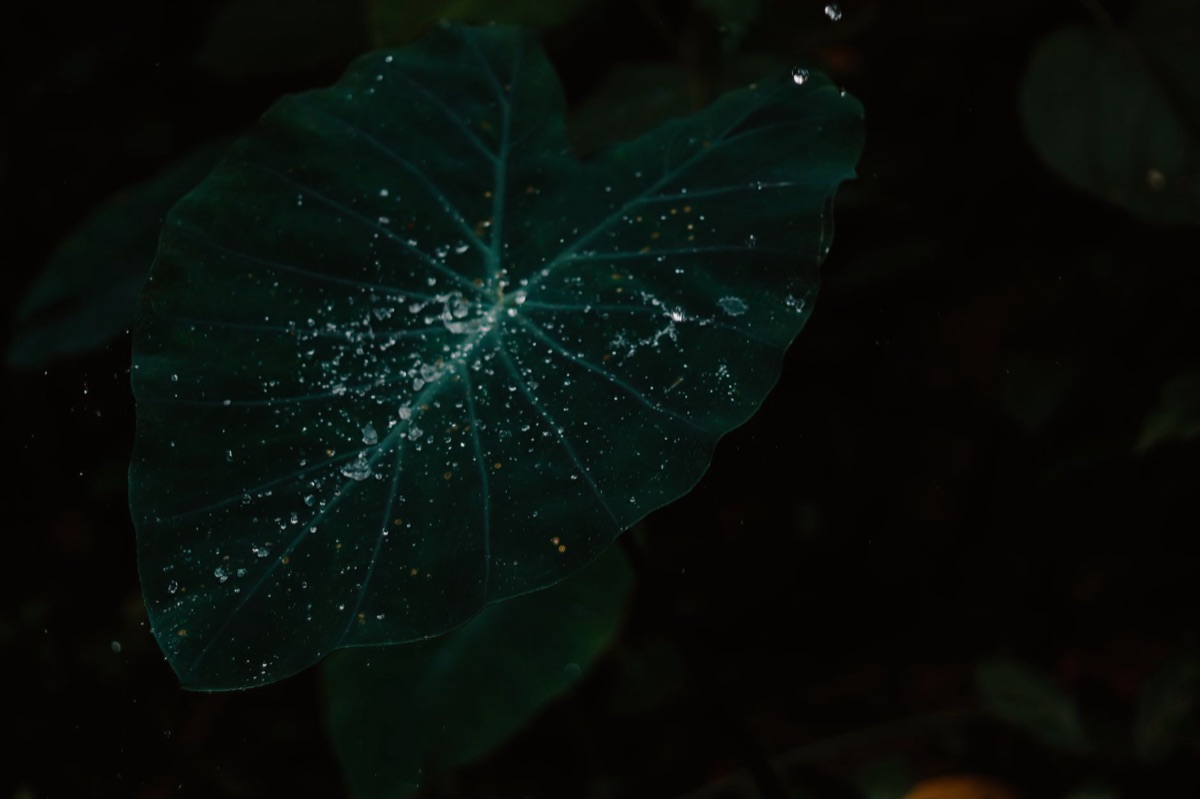
Beyond the Honeymoon Checklist: A Living History
The sun hit the white sands of Papeete at 7:30 AM on a Tuesday in July 2025, casting long shadows over the colorful markets where the scent of vanilla and saltwater hung heavy in the air.
I watched an elder carefully arrange a garland of fresh flowers, his hands moving with a rhythmic precision that seemed to bypass the modern world entirely. In that moment, the luxury of a five-star resort felt secondary to the weight of the history being carried in those simple gestures.
The archipelago serves as a living museum where Polynesian roots remain the primary pulse of daily life.
While travelers often arrive seeking a tropical escape, they quickly realize they are stepping into a society where ancestral codes—such as the intricate art of tattooing and the sacred use of Ti leaves—still dictate much of the social fabric.
These are not performances staged for tourists; they are the fundamental pillars of identity.
The modern convergence of luxury and tradition is a delicate dance. In the high-end resorts of Bora Bora and Moorea, you will see the *Tiare* flower used not just as decoration, but as a symbol of purity and welcome that bridges the gap between ancient customs and contemporary hospitality.
This intersection of worlds is what defines the Tahitian experience. But how do you actually plan a trip that respects this weight without getting lost in the logistics?
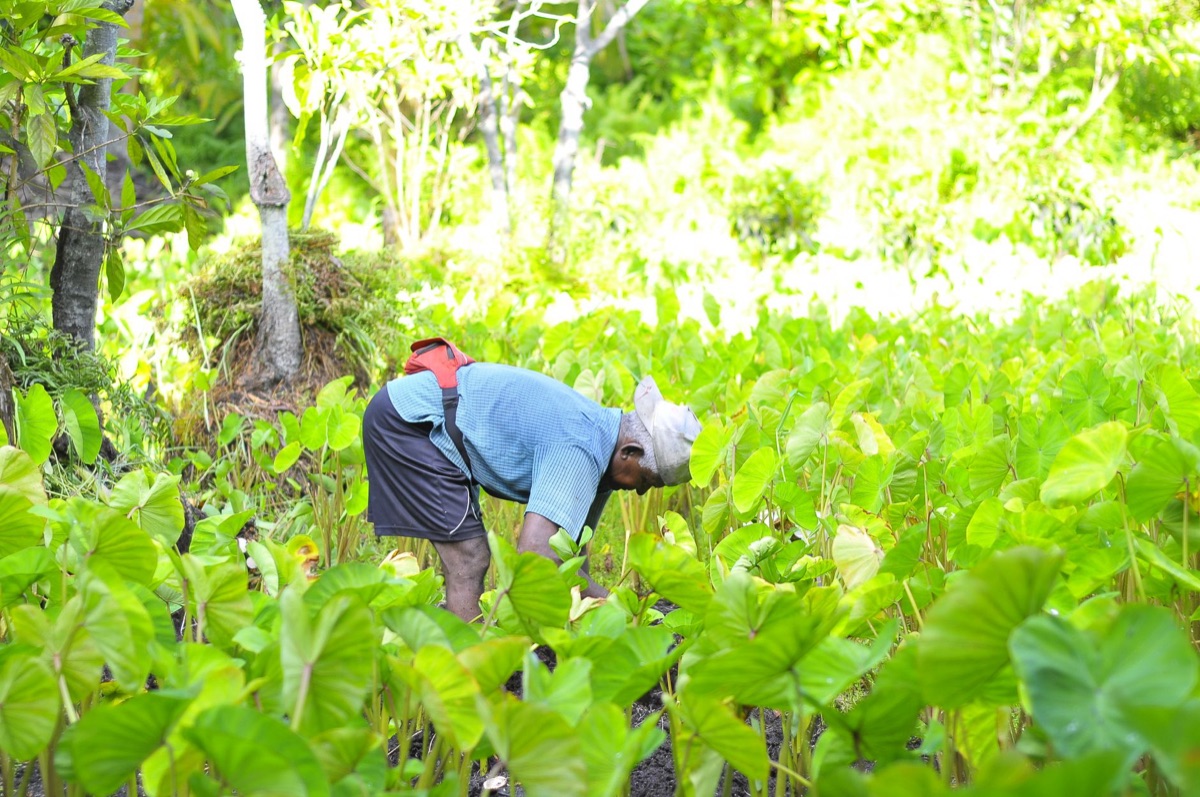
Curating Your Perfect Tahitian Journey
I remember sitting on a terrace in Moorea in late 2025, looking at a map of the archipelago and realizing that choosing a base is not just about a room, but about a lifestyle.
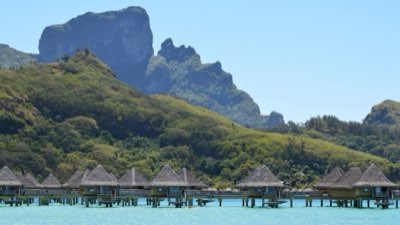
A traveler seeking the ultimate, secluded luxury might gravitate toward the private villas of Bora Bora, while someone looking to walk through history might find more depth in the volcanic landscapes of Tahiti or the ruggedness of Moorea.
When deciding where to base your journey, you must weigh the desire for isolation against the desire for cultural immersion. In the following table, we compare the primary styles of travel available in the islands.
| Travel Style | Primary Focus | Best Island Examples | Ideal Traveler |
|---|---|---|---|
| Ultra-Luxury Seclusion | Private overwater villas and pristine lagoons | Bora Bora, Rangiroa | Honeymooners seeking privacy |
| Cultural Immersion | Local markets, historical sites, and village life | Tahiti, Moorea | History buffs and explorers |
| Adventure & Nature | Hiking, diving, and rugged landscapes | Huahine, Raiatea | Active travelers and divers |
Budgeting for Authenticity Calculating the cost of a Tahitian journey requires distinguishing between a "quick getaway" and a deep immersion. High-season pricing in 2026 can significantly inflate costs, making it essential to plan for both the premium for luxury and the logistical costs of inter-island travel. To maximize value without losing authenticity, consider spending more on a high-quality base in one location and utilizing local ferries or smaller flights to explore neighboring islands.
Logistics Mastery Navigating the archipelago is a multi-step process. Most international travelers arrive in Papeete, Tahiti, which serves as the primary hub. From there, you must master the transition to domestic flights via Air Tahiti or local shuttles. Planning your sequence—such as starting in the more populated Tahiti and moving toward the remote atolls—is vital to prevent travel fatigue and maximize your time in the more remote, pristine locations.
But once you land, how do you actually connect with the spirit of the islands?
Experiencing the Pulse of Polynesia
The water in the lagoon was so clear at 10:00 AM that the shadows of the small outrigger canoes seemed to float in mid-air, disconnected from the hulls.
As we glided over the coral heads, the transition from the deep blue of the open ocean to the electric turquoise of the shallows felt like crossing an invisible threshold into another world.
Lagoon adventures are the heartbeat of the islands, but they go far beyond simple snorkeling. In the Tuamotu archipelago, diving into the deep-sea environments offers a chance to witness the raw power of the ocean, including encounters with sharks and rays in their natural habitat.
However, these activities must always be approached with a commitment to marine conservation; the health of the coral is the health of the culture.
Island Hopping vs. Deep Dive Each island in French Polynesia offers a distinct personality. 1. Tahiti: The administrative and cultural heart, offering a mix of urban life and volcanic majesty. 2. Moorea: Famous for its dramatic mountain peaks and excellent opportunities for hiking and lagoon exploration. 3. Bora Bora/Tuamotus: The pinnacle of lagoon beauty and coral atoll landscapes, perfect for specialized marine life encounters.
Choosing between an "island-hopping" itinerary and a "deep dive" in one location is the most significant decision you will make.
An island-hopping approach provides variety but requires significant travel time, whereas a deep dive allows you to truly understand the nuances of a single ecosystem and its local community. But what happens when you step off the boat and into the local rhythm?
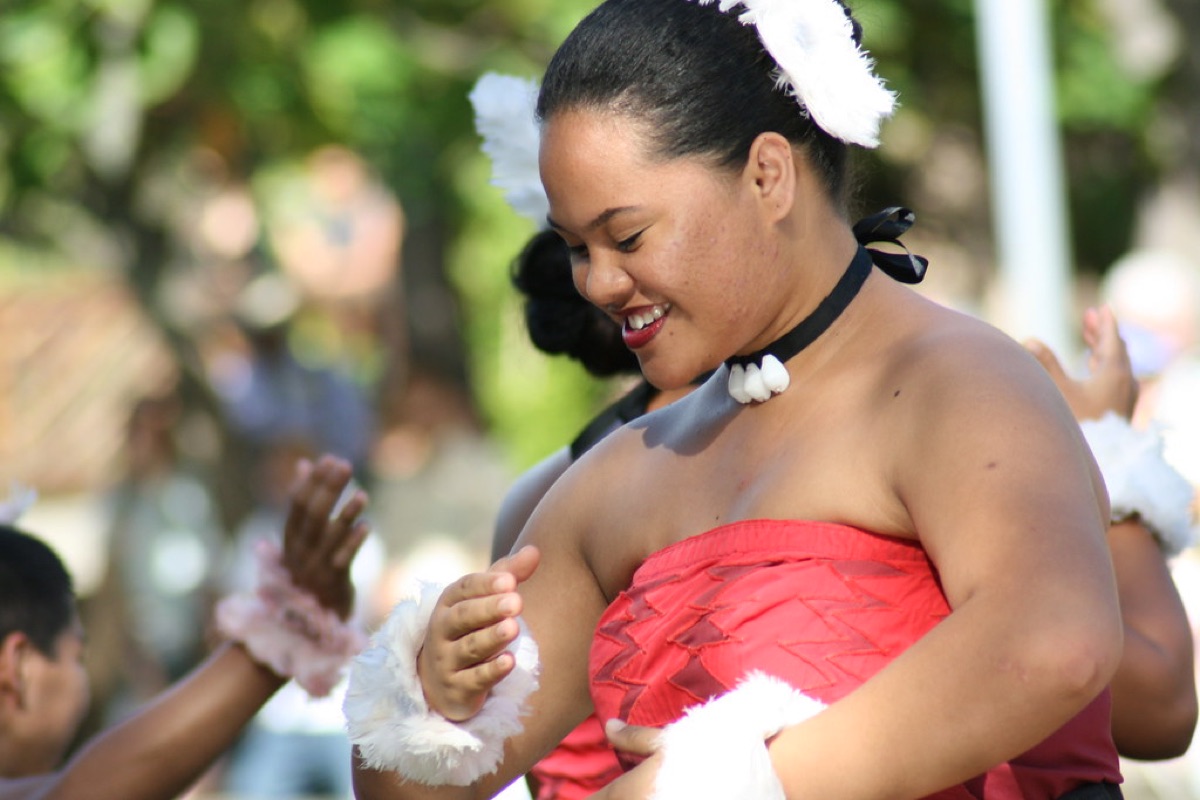
Navigating the Local Rhythm
Walking through a local market at midday, the heat was a physical weight, but the pace of the people was slow, deliberate, and entirely unbothered by the ticking of a clock. I noticed how conversations meandered, much like the coastline, with no apparent rush to reach a conclusion.
Understanding the local tempo is essential for anyone traveling from the fast-paced Western world. In Tahiti, life follows a cadence that respects the heat of the day and the natural rhythms of the sea.
This means that "on time" can be a fluid concept, and the most meaningful interactions often happen during the slow, lingering moments of a meal or a sunset.
Comments 0