Tiare Flower: Bora Bora's Sacred Link to Polynesian Roots
"The scent of a Tiare bloom is the invisible thread that weaves the history of the islands into the present moment."
To understand Bora Bora is to understand that luxury is not just found in overwater bungalows, but in the profound connection to the land and its traditions. The Tiare flower is the heartbeat of this connection.
* The Tiare is a living embodiment of Polynesian devotion and a symbol of hospitality. * Its presence in local rituals reflects a spiritual bond between the people and the South Pacific environment. * The flower symbolizes purity, transition, and the ephemeral beauty of island life. * It serves as a cultural anchor, linking modern travelers to the deep history of Polynesian migration.
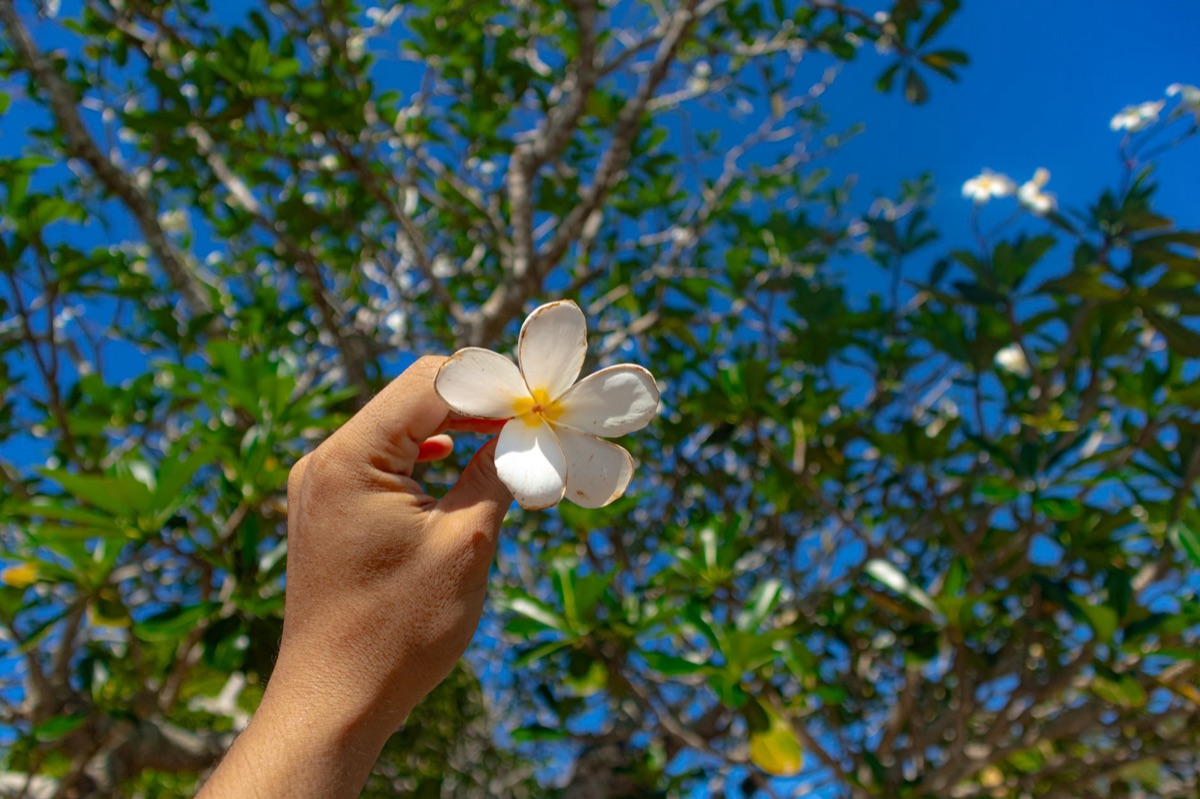
What is the Tiare Flower and Why is it Central to Bora Bora's Identity?
A traveler steps off a small plane onto the tarmac in Bora Bora in the heat of July 2026, the humidity hitting their skin like a warm, soft blanket. As they walk toward the shuttle, the air is suddenly pierced by a fragrance so sweet and heavy it feels almost tangible.
According to World Bank, French Polynesia recorded international tourist arrivals of 89,400 in 2020.
The Tiare (*Gardenia tahitensis*) is not merely a decorative element; it is a sensory signature of the archipelago. While many tropical flowers are visually striking, the Tiare is defined by its intoxicating, creamy scent that can fill a courtyard or a breezeway within minutes.
This dual presence—the delicate white petals and the powerful, lingering fragrance—mirrors the multi-layered experience of the islands themselves.
In local life, the flower is used far beyond simple decoration. It is woven into intricate garlands, tucked behind ears, and used to scent oils. While luxury resorts provide a high-end setting, the presence of the Tiare grounds these expensive stays in something much older and more authentic.
It reminds every guest that they are stepping into a living culture, not just a curated backdrop. But why does this specific bloom hold such weight in the local heart?
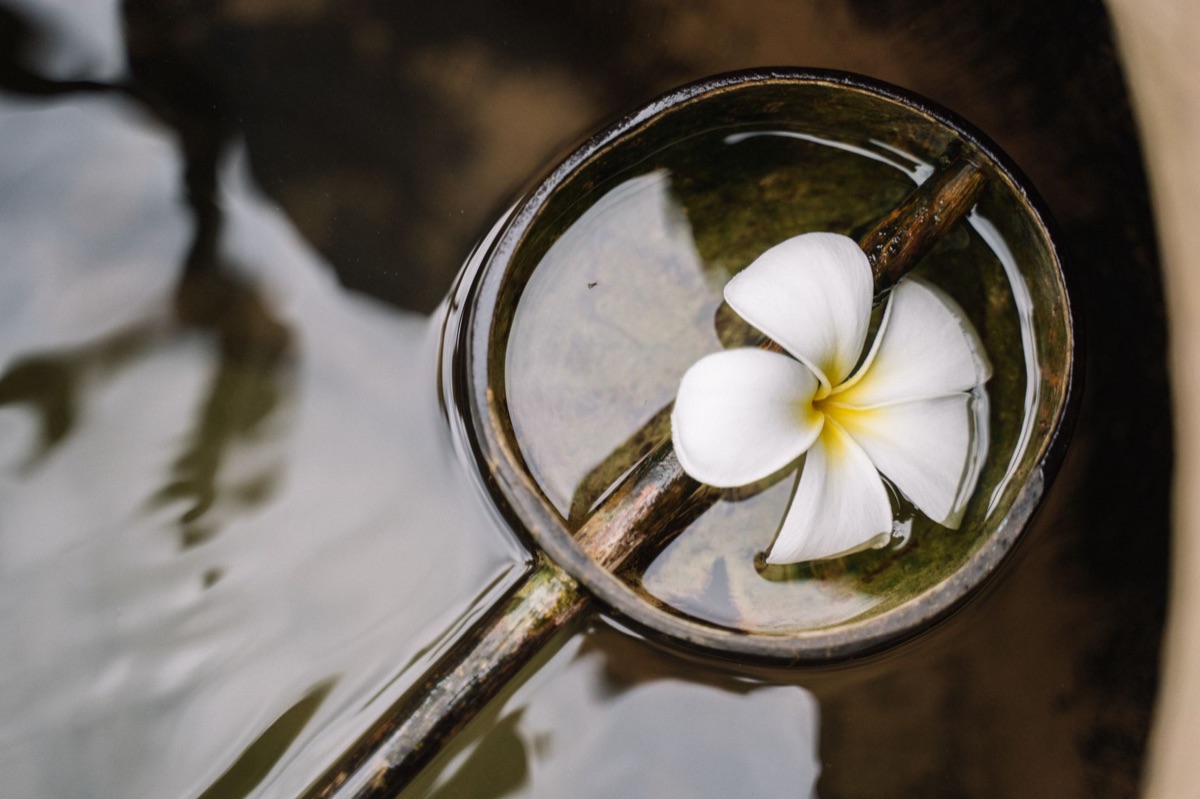
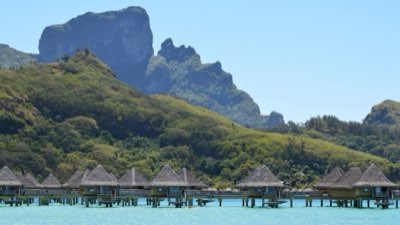
Where do the Tiare's cultural roots lie? The sun rises over Mount Otemanu in the early morning of 2026, casting long, golden shadows across the turquoise lagoon. Generations ago, before the first tall ships appeared on the horizon, ancestors stood on these same shores, recognizing the sacredness of the flora surrounding them.
In pre-contact Polynesian culture, plants were often viewed as more than just biological entities; they were sacred elements of the natural world. The Tiare represents the endurance of the Polynesian way of life.
As navigators migrated across vast stretches of the Pacific, they carried with them the knowledge of how to live in harmony with specific plants. The Tiare became a constant in these stories of survival and settlement.
Throughout history, the flower has played a ritualistic role in marking significant life events. Whether celebrating a birth, a transition into adulthood, or a communal gathering, the Tiare has been a silent participant.
It acts as a chronicler of history, a way for the people to express reverence for the life-giving power of the islands. However, the transition from ancient ritual to modern luxury is where things get interesting.
How is the Tiare used to symbolize transition today? A resort staff member approaches a newlywed couple at the pier at 10:00 AM, leaning in to place a hand-woven lei of fresh Tiare around their necks. The cool petals touch their skin, marking the transition from the chaos of travel to the peace of their honeymoon.
In the modern context of luxury travel, the Tiel is the ultimate symbol of welcome. It is the ritual of greeting honored guests, signaling that they have entered a space of peace and hospitality. However, there is a deeper meaning in its fleeting nature.
The perfection of a Tiare bloom is short-lived; it is an ephemeral beauty that must be appreciated in the moment. I remember walking through a garden in Vaitape in late 2025, holding a single bloom that felt like it would dissolve into perfume if I squeezed it too hard.
This mirrors the precious, fleeting nature of a perfect South Pacific moment. For a honeymooner, the flower represents purity and the promise of a new beginning. It moves the experience beyond a mere "exotic background" and turns it into a profound cultural exchange.
But how does this flower connect to the very soul of the islands?
The Tiare and the Archipelago's Deeper Lore (Connecting to the Wider Culture)
Walking along the edge of a motu, the white sand feels hot beneath your feet at midday, and the transition from the bright beach to the shaded greenery is sudden. Here, the Tiare is part of the micro-ecosystem, a vital part of the island's natural rhythm.
The relationship between the flower and the islands is often compared to the relationship between the people and the sea. Just as the "Black Pearl" is a hidden treasure of the deep, the Tiare is a treasure of the land. Its beauty is profound but requires respect to maintain.
In traditional tattooing and wood carving, motifs inspired by the shapes of local flora often carry the weight of these cultural stories.
The flower serves as a spiritual guide, helping visitors transition from a purely physical journey to a more spiritual understanding of the islands. It connects the traveler to the soul of the archipelago, turning a vacation into a pilgrimage of sorts. To truly experience this, you need a plan.
How to Properly Experience the Tiare: A Traveler's Checklist
If you find yourself in the islands in 2026, you shouldn't just walk past the blooms. To truly connect with the culture, follow these steps:
- Time your stroll: Visit local gardens or walking paths between 6:00 AM and 8:00 AM when the morning dew keeps the petals firm and the scent is most concentrated.
- Observe the placement: Notice how locals wear the flower. Typically, it is tucked behind the ear—right ear if you are single, left ear if you are taken—as a subtle social cue.
- Respect the bloom: Never pick a flower from a public garden or a local's private property just for a photo. Always ask or look for designated areas.
- Engage the senses: Close your eyes for ten seconds when you encounter a heavy scent. Let the fragrance tell you the story of the humidity and the earth.
By following these steps, you move from being a mere spectator to a respectful participant in the island's rhythm. But what happens when the beauty fades?
Preserving the Symbol: Modern Stewardship of the Tiare
A local gardener carefully prunes a bush in the late afternoon, ensuring that the next generation of blooms will be as vibrant as the last. There is a quiet responsibility in the way the community treats its natural symbols.
As tourism grows in 2026, the necessity of respecting the environment becomes even more critical. The Tiare is a symbol of the delicate balance required to live on these islands.
Modern stewardship involves ensuring that the cultivation of these flowers—and the protection of the ecosystems that support them—remains sustainable. To truly honor the Tiare is to honor the islands themselves.
Travelers are encouraged to respect the local flora and the traditions that keep these blooms blooming. Protecting the natural beauty of Bora Bora is the only way to ensure that the scent of the Tiare remains a part of the island's identity for generations to come.
| Aspect | Traditional Significance | Modern Luxury Context |
|---|---|---|
| Primary Use | Rituals, sacred offerings, and daily adornment | Welcoming guests and romantic gestures |
| Symbolism | Connection to ancestors and nature | Purity, transition, and ephemeral beauty |
| Sensory Role | Spiritual presence and medicinal scents | Signature fragrance of the luxury experience |
Frequently Asked Questions
Is the Tiare flower edible? While it is primarily used for fragrance and decoration, some traditional uses involve infusing oils or waters. However, it is not typically treated as a food source.
Where is the best place to experience the scent of Tiare? The scent is most potent in the early morning or late evening when the air is still. Walking through a local garden or a lush resort path during these times provides the most intense experience.
Can I take Tiare flowers home with me? Because the blooms are highly perishable and delicate, they do not travel well. It is best to enjoy their beauty in the moment they are presented to you.
The Tiare is more than a flower; it is the soul of Bora Bora. When you smell that sweet, heavy fragrance, you aren't just smelling a bloom—you are breathing in centuries of history.
Comments 0