Tahiti Honeymoon: Choose Your Perfect Visit Timing Now
"The difference between a flawless Polynesian paradise escape and a memorable adventure hinges entirely on when you choose to visit Tahiti."
Deciding when to fly to French Polynesia is the single most impactful choice you will make for your honeymoon. It is the difference between waking up to a clear view of Mount Otemanu and waking up to a wall of gray mist, or between a private lagoon experience and a crowded snorkel tour.
Key Takeaways
* High Season guarantees peak weather and sunshine but commands premium pricing and higher crowds. * Low Season offers significant cost savings and a more authentic, less crowded immersion into Tahitian life. * The Ideal Timing depends on whether your priority is guaranteed perfect weather (High Season) or deep cultural immersion and budget optimization (Low Season). * Weather Patterns are highly predictable but variable; understanding the nuances of the tropical cycle is essential for planning.
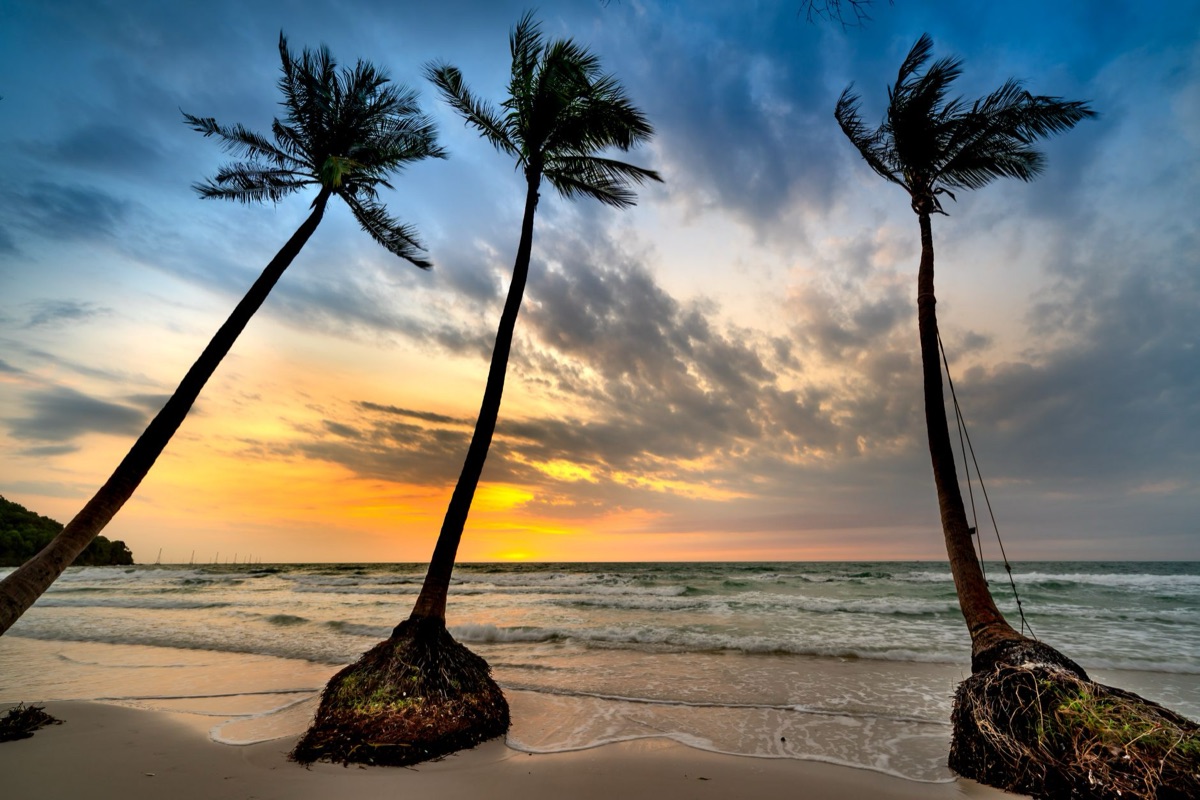
When is the Dry Season (High Season) and What Does It Offer?
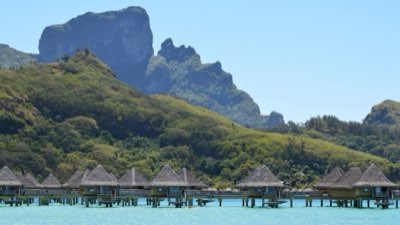
The sun hit the deck of the overwater bungalow at 7:00 AM, turning the turquoise water into a sheet of liquid sapphire. In the distance, the jagged peaks of Bora Bora stood sharp against a cloudless sky, looking exactly like the postcards promised.
The dry season in French Polynesia typically runs from May through October. During these months, the islands experience much lower precipitation and more consistent sunshine.
Temperatures generally hover in a comfortable range of 77°F to 86°F (25°C to 30°C), making it the gold standard for travelers who want to spend every waking moment in the water.
However, this predictability comes at a price. Because the weather is so reliable, this is the peak period for global tourism. You will notice higher tourist volumes, especially during the Christmas and New Year holidays or during the July summer break.
In these peak windows, booking a specific overwater villa at a resort like the Four Seasons or the St. Regis can require planning well over a year in advance.
Pricing during the high season reflects this demand. You can expect to pay a significant premium—often 30% to 50% more for flights and luxury accommodations compared to the low season.
Furthermore, popular excursions, such as private boat charters to the outer islands or guided shark tours, may require much earlier bookings to secure your preferred time slot.
This season is best suited for those whose primary goal is guaranteed, uninterrupted lagoon time and photography-perfect conditions.
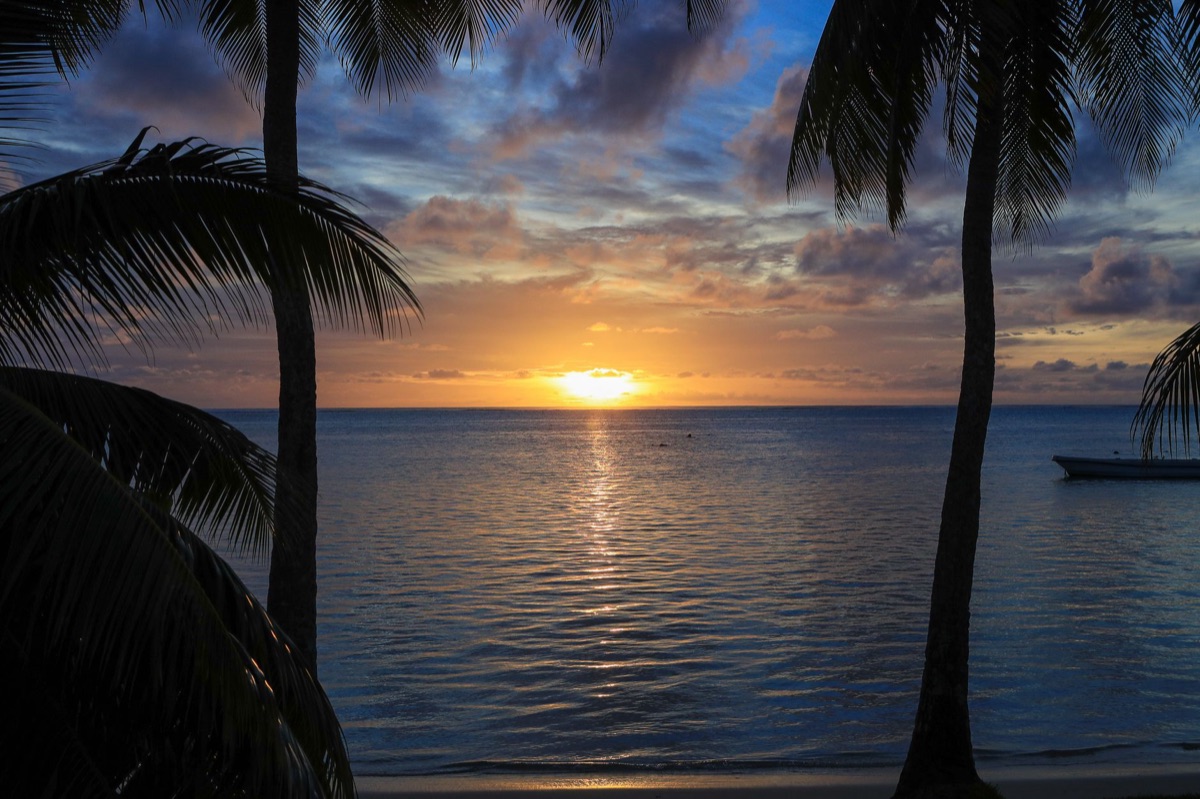
Nav리는 the Wet Season (Low Season): Embracing the Rhythm of Tahiti
A sudden, heavy downpour hit the thatched roof of the villa, creating a rhythmic drumming that drowned out the sound of the waves. For twenty minutes, the world turned a deep, saturated green, and the air grew thick with the scent of wet earth and tropical blooms.
The wet season, roughly from November to April, brings an increase in rainfall and higher humidity. It is important to understand that "wet season" in the South Pacific does not usually mean a constant, gray gloom.
Instead, you will often experience short, intense bursts of rain followed by bursts of intense sunshine and dramatic rainbows.
The primary advantage of traveling during this period is the sheer solitude. With fewer tourists, the islands feel much more private. You can walk through the markets in Papeete or explore the botanical gardens of Moorea without the constant presence of large tour groups.
This allows for a much deeper, more authentic engagement with the local culture and a quieter, more intimate honeymoon experience.
From a financial perspective, the low season is a masterclass in budget optimization. You can often secure high-end luxury villas at a fraction of the high-season cost, sometimes saving thousands of dollars on a single booking.
While you must be prepared for occasional rain, the savings can allow you to upgrade your dining experiences or book more private, high-end tours that would otherwise be out of reach.
Beyond Weather: Comparing Crowds, Cost, and Experience Quality
I remember sitting on a quiet beach in Huahine during the off-season, realizing that I had the entire stretch of white sand to myself. In the high season, I likely would have been dodging sunbathers and children, making the moment feel much less "once in a lifetime."
When making your decision, you are essentially weighing the "Crowd Tax" against the "Weather Guarantee." In the high season, you pay a premium for the certainty of blue skies. In the low season, you trade that certainty for privacy and significant cost savings.
To help you decide, consider this comparison of the two primary travel styles:
| Feature | High Season (Dry) | Low Season (Wet) |
|---|---|---|
| Weather Reliability | Very High (Sunny/Clear) | Moderate (Intermittent Showers) |
| Crowd Levels | High (Busy Resorts/Sites) | Low (Private/Quiet) |
| Pricing | Premium/Peak Rates | Significant Savings/Discounts |
| Best For | Guaranteed Photography/Swimming | Cultural Immersion/Budget Luxury |
| Booking Window | 12+ Months in Advance | 6–9 Months in Advance |
For those who struggle to choose, a strategic booking window is vital. If you are aiming for the high season, you should ideally be looking at flights and accommodations at least 12 months in advance to secure the best inventory.
For the low season, a 6-to-9-month window is usually sufficient to secure excellent deals without sacrificing quality.
Tahiti's Micro-Climates: Beyond the Binary (High vs. Low)
The wind shifted slightly in the late afternoon, bringing a cool breeze from the mountains that cut through the tropical heat. It was that perfect, transitional moment where the air felt fresh, and the sky began to turn a soft lilac.
The most successful travelers often look beyond the simple high/low binary and target the "Shoulder Season." These are the transitional months—typically April/May and October/November—that offer a perfect compromise.
During these windows, the weather is often pleasant and manageable, but the extreme pricing and heavy crowds of the peak months have not yet arrived (or have already departed).
It is also crucial to recognize that weather is not uniform across the archipelago. Different islands have distinct micro-climates. For example, the windward sides of islands like Moorea may receive more rain than the leeward sides.
A resort located on a sheltered lagoon may offer much more stable weather than one directly exposed to the open ocean.
When planning your itinerary, consider sequencing your activities to match the weather. In the wetter months, plan your high-adrenaline activities, like deep-sea diving or mountain trekking, for the mornings when the weather is typically clearer. Save the lagoon-based relaxation for the afternoons.
In the dry season, you have more flexibility, but you should still keep an eye on the local forecast to make the most of the clearest windows for snorkeling.
Planning Your Perfect Arrival
A taxi driver in Papeete handed me a cold bottle of water and pointed toward the mountains, noting that the clouds were moving quickly toward the valley. It was a reminder that in the islands, you don't just visit the weather; you live within its rhythm.
To ensure your trip is successful regardless of the season, follow these tactical steps:
- Identify Your Priority: Decide if you are willing to risk a rainy afternoon for a lower price, or if you need a guaranteed sunny day for a specific event (like a professional photoshoot). 2. Check the Specific Month: Do not just look at "the dry season." Check specific monthly averages for your target islands to understand the exact rainfall and temperature trends. 3. Diversify Your Itinerary: Always have a "Plan B." If you are traveling in the wet season, ensure your resort has excellent indoor amenities or spa facilities so a rain shower doesn't ruin your day. 4. Book Flexible Airfare: If you are traveling during the shoulder season, look for airlines that allow for easier changes, just in case you decide to shift your dates based on weather reports. 5. Consult Local Knowledge: Once you arrive, talk to your resort concierge. They know the micro-climates of their specific lagoon better than any weather app.
#
Comments 0