Incheon to Tahiti Flight Path: Booking Your Dream Escape Now
"The journey to paradise begins long before you step onto the white sands of Matira Beach; it begins with a well-planned flight path and a clear understanding of the tides."
Navigating the transition from the bustling streets of Seoul to the turquoise lagoons of French Polynesia requires more than just a passport.
It requires a strategic approach to flight routing and a deep understanding of seasonal weather patterns to ensure your honeymoon doesn't get washed out by a sudden tropical storm.
* Optimal Timing: Balance the dry season's perfect weather against the premium pricing of peak months. * Flight Strategy: Master the multi-leg journey from Incheon through major hubs to reach Tahiti. * Island Logic: Plan your itinerary to include both the volcanic majesty of Tahiti/Moorea and the luxury of Bora Bora. * Budgeting: Account for seasonal price surges and local transfer costs when calculating your total investment.
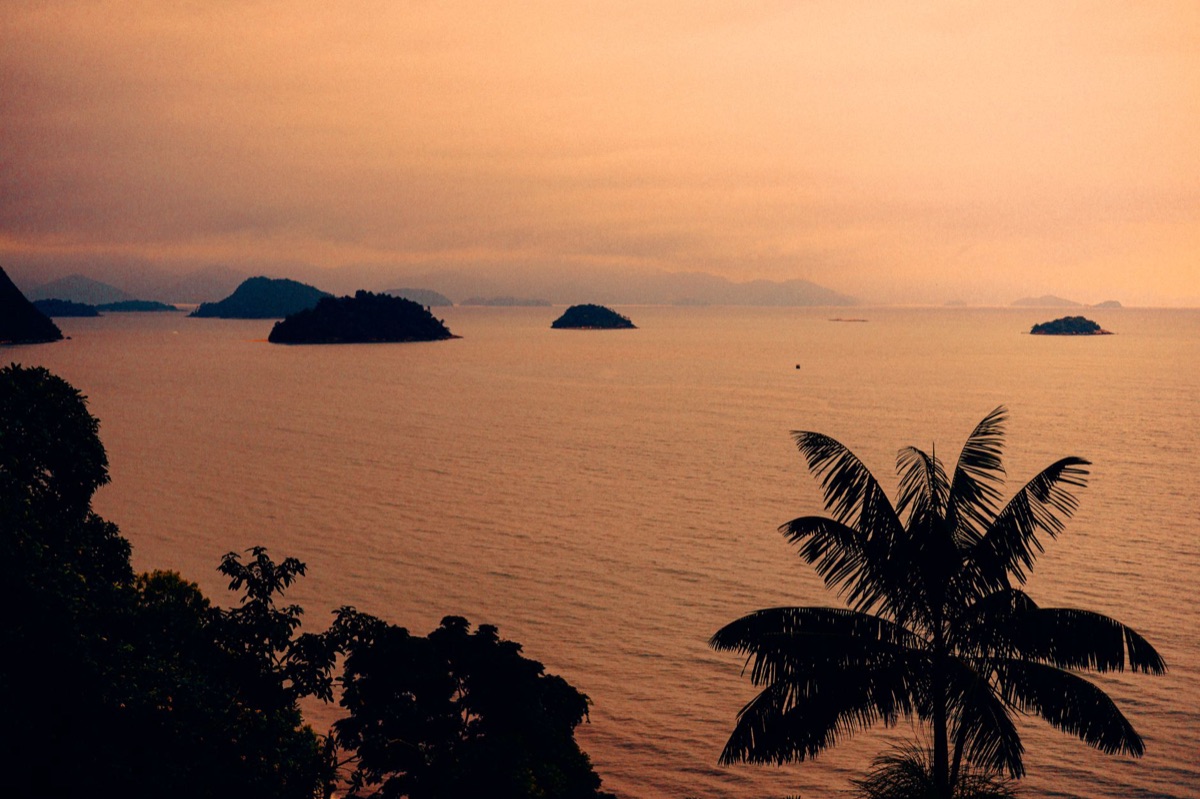
Why Timing Matters: Understanding Tahiti's Seasons
The sun rose over the airport terminal in Incheon, casting a long shadow as I checked my flight itinerary for the third time that morning. I knew that choosing the wrong month could mean the difference between a sun-drenched lagoon tour and a canceled excursion due to heavy rain.
The tropical climate of French Polynesia is divided into two primary seasons that dictate everything from your laundry schedule to your snorkeling opportunities.
The dry season typically runs from May to October. During these months, the skies are generally clear, the humidity is lower, and the water clarity is at its peak—perfect for seeing the black pearls and vibrant coral reefs.
Because this is the most desirable time to visit, flight prices and luxury resort rates often hit their highest points, especially during the July and August windows.
In contrast, the wet season arrives around November through April. While you will see much more frequent rainfall, the islands are lush, green, and incredibly vibrant. The trade-off is that heavy rain can occasionally disrupt boat transfers or lagoon tours.
However, this period often offers much more competitive pricing for high-end overwater bungalows.
The "shoulder seasons"—roughly April/May and October/November—offer a delicate balance. You might catch a mix of sun and rain, but you often find better availability at premium resorts like the St. Regis or Four Seasons.
When booking during these transition months, you should aim to secure your flights at least six months in advance to lock in reasonable rates.
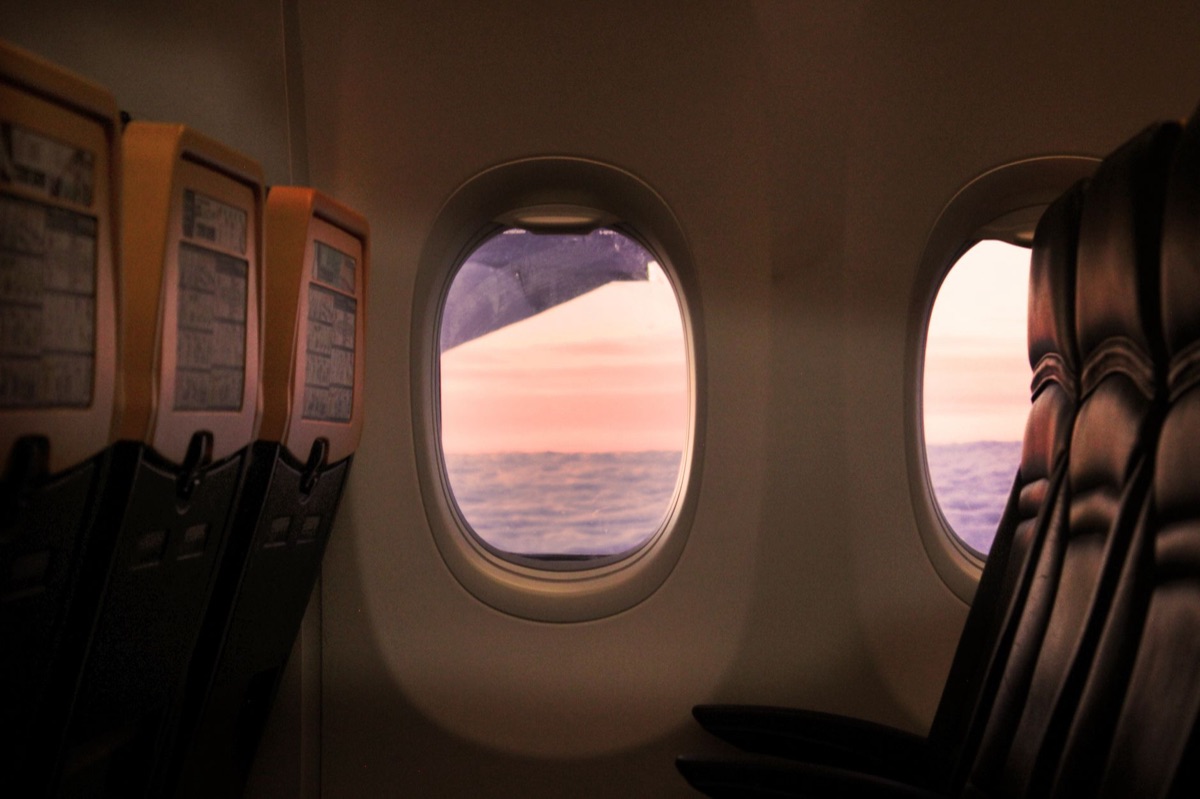
How do I get from Incheon to Tahiti? I remember sitting in a lounge in Tokyo, looking at a map of the Pacific, trying to visualize the massive leap from East Asia to the middle of the ocean. The distance is staggering, and the way you piece the journey together determines how much jet lag you'll be fighting when you finally arrive.
Since there are no direct flights from Incheon (ICN) to Papeete (PPT), you are looking at a multi-leg journey. Typically, this involves flying from Incheon to a major global hub—most commonly Tokyo (NRT/HND), Los Angeles (LAX), or San Francisco (SFO)—and then catching a long-haul flight to Tahiti.
The total travel time can range anywhere from 18 to 26 hours depending on your layover efficiency. A common mistake is booking tight connections that leave little room for delays. I always suggest a layover of at least four to six hours in your transit city.
This provides a buffer for international delays and gives you a chance to stretch your legs before the final long leg across the Pacific.
Once you land in Tahiti, you will likely transition from international carriers to local airlines like Air Tahiti to reach islands like Bora Bora or Moorea. It is vital to book these inter-island connections as part of your original travel planning.
For South Korean passport holders, you generally do not need a visa for short-term tourism in French Polynesia, but always double-check current entry requirements regarding passport validity and proof of onward travel before you depart.
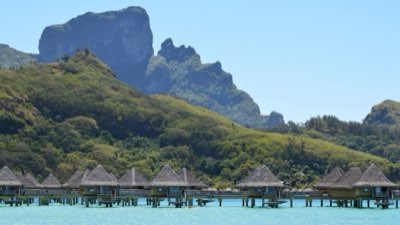
Should I visit Bora Bora or the rest of the islands? Standing on the deck of a ferry as it approached the silhouette of Mount Otemanu, I realized that many travelers make the mistake of seeing Bora Bora as the *only* destination. While it is the crown jewel, the surrounding islands offer entirely different experiences.
The "Isle Hopping" approach is the gold standard for a luxury honeymoon. Most travelers arrive in Tahiti, explore the volcanic landscapes and local markets of Papeete, and then take a short flight to Bora Bora.
Adding a stop in Moorea—just a short ferry ride from Tahiti—allows you to experience both rugged mountain scenery and pristine lagoons in one trip.
| Feature | Tahiti & Moorea | Bora Bora |
|---|---|---|
| Primary Vibe | Cultural, Lush, Volcanic | Ultra-Luxury, Iconic Views |
| Best Activity | Hiking, Local Markets, Surfing | Lagoon Tours, Overwater Bungalows |
| Cost Level | Moderate to High | Very High |
| Island Type | High Islands (Rugged) | Lagoon-centric Paradise |
If you are looking for deep snorkeling and cultural immersion, the larger islands of Tahiti and Moorea are unmatched. If you want the quintessential "floating in a bungalow" experience, Bora Bora is the clear winner.
A well-planned itinerary usually follows a flow of: Arrive Tahiti → Explore Moorea → Fly to Bora Bora → Depart via Tahiti. For a trip of this magnitude, you should plan for a minimum of 10 to 14 days to truly absorb the islands without feeling rushed.
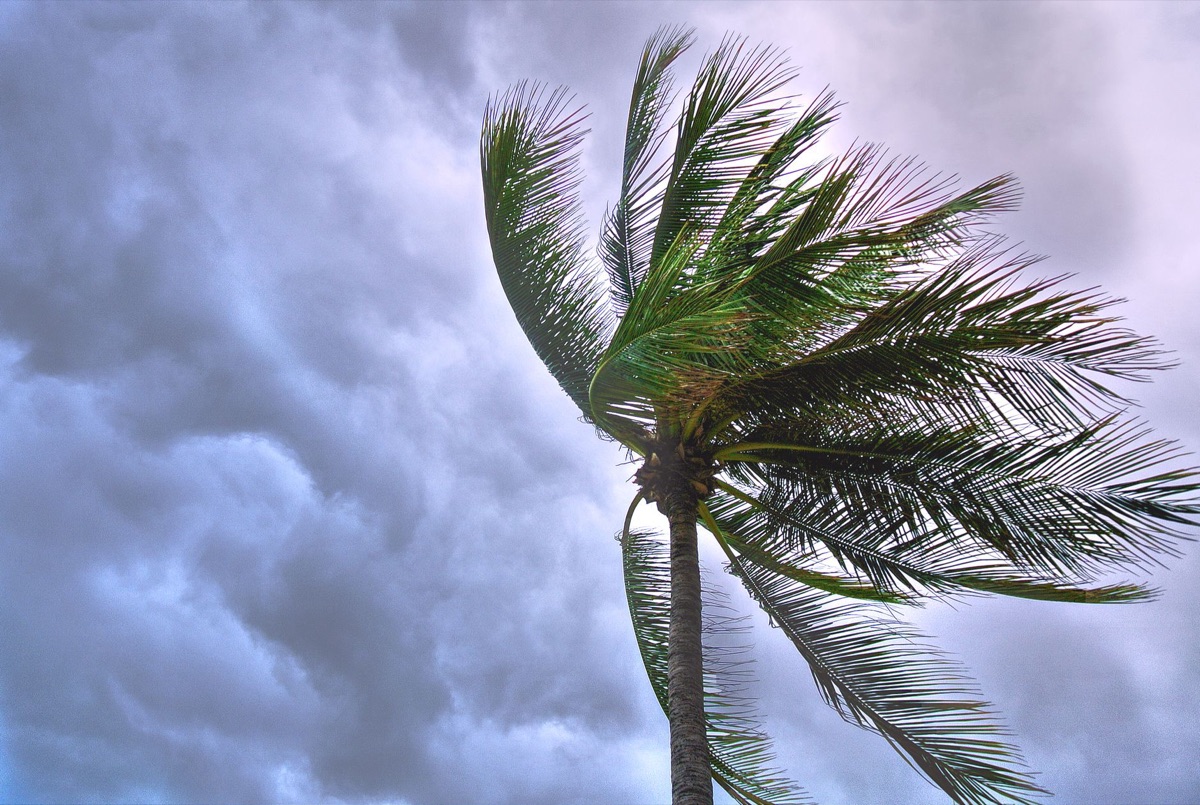
Budgeting for Romance: Flight & Stay Cost Breakdown
I sat at a small cafe in Papeete, looking at a receipt and realizing that the "budget" I had planned in Seoul was significantly different from the reality of Polynesian pricing. In this part of the world, luxury comes with a specific price tag that must be planned for well in advance.
When planning your budget, you must choose between an "all-in" package and a "component" approach. All-in packages often include flights, transfers, and accommodation, which can simplify logistics and sometimes offer better value.
The component approach—booking everything separately—gives you more control but requires much more coordination.
Flight costs are the most volatile element of your budget. Booking during the dry season peak can easily double your airfare compared to the wet season. Beyond the base ticket price, you must account for several "hidden" costs: 1. Inter-island transfers: Small planes and boats are expensive. 2.
Local taxes: Often added to resort stays. 3. Excursion fees: Private boat charters for shark or ray encounters.
To maintain a luxury experience without breaking the bank, consider "value-engineering" your stay. For example, you might stay in a luxury villa on Moorea for half the price of a Bora Bora bungalow, then splurge on a high-end resort for the final three nights in Bora Bora.
This ensures you get the "peak" experience where it matters most.
Essential Pre-Trip Checklist
The final hours before leaving for the airport are always a whirlwind of checking passports and ensuring chargers are packed. To avoid the stress of a last-minute realization, a structured checklist is your best friend.
- Document Verification: Ensure your passport has at least six months of validity remaining from your planned return date. 2. Flight Confirmation: Print or digitally save all boarding passes and connection details, especially for the transition from international to local airlines. 3. Health & Travel Insurance: Confirm your coverage includes international medical evacuation and trip cancellation. 4. Currency & Cards: While credit cards are widely accepted in major resorts, carry some local CFP Francs for smaller markets and local transport. \",\"
- \"
Comments 0