How to choose your perfect Bora Bora resort view?
"The view from a water villa defines the entire experience of the lagoon."
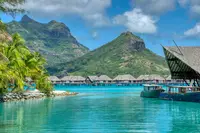
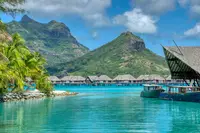
Choosing the right Borabora overwater bungalow view depends on whether you prioritize the silhouette of Mount Otemanu or the vastness of the open turquoise lagoon. This guide helps travelers weigh different villa orientations to ensure their specific scenic needs are met.
Key takeaways include understanding the island's unique geography, recognizing the difference between lagoon views and mountain vistas, and managing expectations regarding local humidity.
How to choose your perfect Bora Bora resort view?
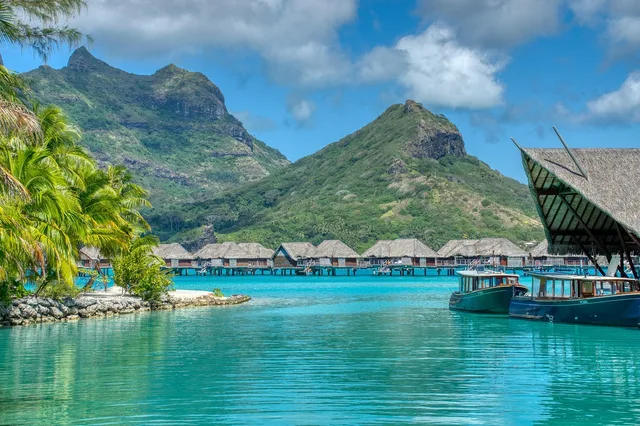
At sunset, you lean against the wooden railing and feel the warm breeze while scanning the borabora skyline for the perfect vista.
A traveler stands on a wooden pier, looking toward the horizon where the sky meets the Pacific. Choosing your perfect island view requires a careful assessment of how the villa is positioned relative to the central volcanic peaks.
The primary difference in scenery often involves the proximity to the central landmass versus the outer reef. Some villas face the mountainous interior, while others look toward the expansive ocean.
This decision dictates your daily sensory experience, from the sight of the peaks to the sound of the reef.
The archipelago's layout influences these vistas significantly. According to Wikipedia, Bora Bora is located in the Society Islands, which are part of French Polynesia, and is located northwest of Tahiti, about 260 km (162 mi) northwest of Papeete, Tahiti.
This specific positioning ensures that many resorts offer a mix of mountain and ocean perspectives.
- Identify your priority between ocean vistas and lagoon colors.
- Check the specific orientation of the bungalow.
- Confirm the proximity to the main resort activities.
What are the lagoon view choices?
The sun reflects off the turquoise water as a guest steps onto a private deck. Lagoon view choices often center on the clarity and color of the water immediately surrounding the structure.
Depending on the resort's location, the water may appear shallow and bright or deep and dark. A lagoon view might focus on the vibrant coral life visible through glass floor panels or the calm surface of the protected area. This provides a sense of being suspended directly over a tropical ecosystem.
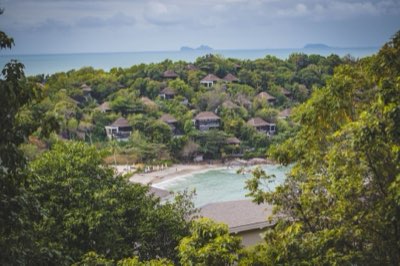
The island's physical structure plays a role here. The main island measures only 8 km (5 mi) from north to south and 5 km (3 mi) east to west. This limited land size means most villas are situated in the lagoon, providing an immersive water experience.
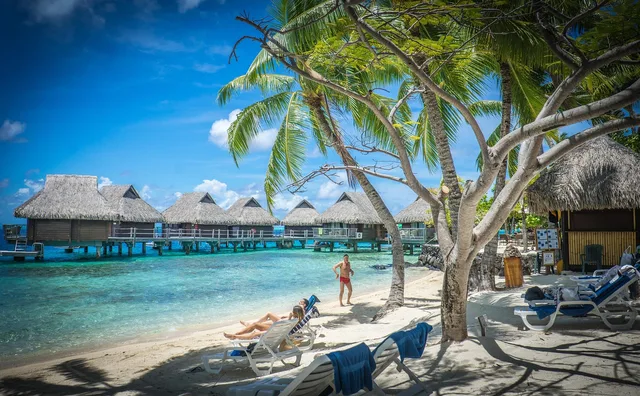
I find that the second option is the most expansive.
How to evaluate resort vista differences?
The wind carries a salty mist as the sun begins to set over the horizon. Evaluating resort vista differences requires looking beyond the room to the surrounding landscape.
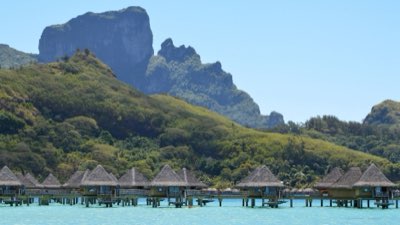
One must consider the visual impact of the central island's topography. Some views are dominated by the dark, dramatic cliffs of the extinct volcano, while others offer an unobstructed view of the horizon. This distinction is vital for those seeking a mountain backdrop versus a maritime vista.
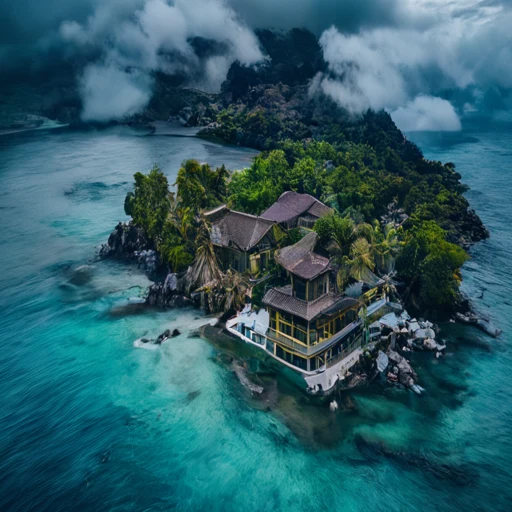
The topography is quite specific. Bora Bora is an area of 29.3 km2 (11.3 sq mi) mountainous central island, which is an extinct volcano, itself surrounded by a lagoon separated from the sea by a reef.
This geological feature ensures that almost every overwater villa has a view of either the mountain or the reef.
Is a Borabora overwater bungalow view worth it?
A guest sits quietly in a shaded hammock, watching the light shift across the water. The value of a Borabora overwater bungalow view is tied to the desire for an integrated nature experience.
The scenery provides a direct connection to the environment. Whether you are watching the shadows move across the volcanic slopes or observing the movement of the tide in the lagoon, the view is the central amenity. It transforms a room into a panoramic observation deck.
I remember looking out from a private deck, feeling the salt air on my skin as I watched the light change. This connection to the environment is the primary reason travelers seek these specific villas.
Comparing water villa view options
The light changes rapidly as the afternoon progresses. Understanding how different villas compare helps in planning the trip.
| View Type | Primary Visual Element | Environmental Context |
|---|---|---|
| Mountain View | Volcanic peaks | Central landmass |
| Lagoon View | Turquoise water | Protected reef area |
How to manage the environment during your stay?
The air feels heavy and warm as the evening humidity rises. Managing your environment involves preparing for the specific tropical conditions of the Society Islands.
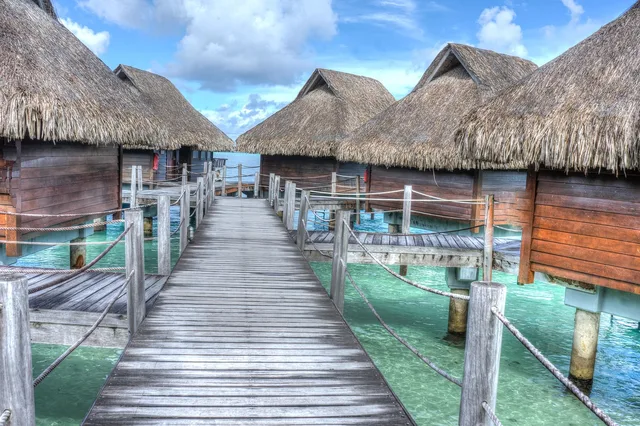
- Monitor the local humidity levels. 2. Choose a villa with adequate ventilation. 3. Plan outdoor activities during lower humidity periods.
I noticed how the high moisture in the air changed the sensation of the breeze during my stay. One limitation to consider is the climate; the humidity level usually ranges from 75% to 90%, sometimes reaching 100%.
The same subject is also called Water villa view comparison.
The same subject is also called Overwater bungalow scenery.
This part also covers Best view in Borabora resort.
This part also covers Comparing water bungalow vistas.
Related
- How does a luxury resort selection guide work?
- Bora Bora luxury resort guide: How to find best resorts
How to decide between mountain or lagoon vistas?
Deciding between mountain or lagoon vistas requires comparing the visual focus of the villa. You must weigh the silhouette of the extinct volcano against the turquoise water of the lagoon.
This comparison depends on whether you prefer the dramatic cliffs of the central landmass or the open ocean horizon.
Summary of view characteristics
- Identify if the villa faces the central volcanic peaks. 2. Determine if the villa looks toward the outer reef. 3. Compare the mountain backdrop with the maritime vista.
How do the views differ based on location?
The difference depends on whether the villa faces the central volcanic peaks or the outer reef. A mountain view provides a backdrop of dramatic cliffs, while a lagoon view focuses on the turquoise water and coral life.
- Evaluate the proximity to the central landmass. 2. Assess the visibility of the outer reef. 3. Compare the mountain silhouette to the ocean horizon.
Is the humidity a factor for the view?
High humidity levels can affect the sensory experience of the view. Because moisture levels often reach 100%, travelers should prepare for heavy air and warm breezes.
One must monitor these conditions to manage the environment effectively. This ensures the tropical atmosphere remains a pleasant part of the experience.

Comments 0