Bora Bora Marine Safety: Respecting the Fragile Ecosystem
"The ocean is a beautiful masterpiece, but it is a masterpiece that demands your absolute respect."
If you are planning a luxury honeymoon to Bora Bora in 2026, you likely envision floating above turquoise waters in a private villa.
However, the transition from the calm, shallow lagoon to the powerful open ocean is a physical boundary that requires careful understanding to ensure your trip remains a dream rather than a disaster.
Key Takeaways * The lagoon's health and your safety depend on respecting the delicate balance between the reef and the open sea. * Proactive preparation regarding gear, local timing, and current awareness is essential for all water activities.
* Strict adherence to non-touching policies regarding coral is both a legal necessity and a vital environmental practice.
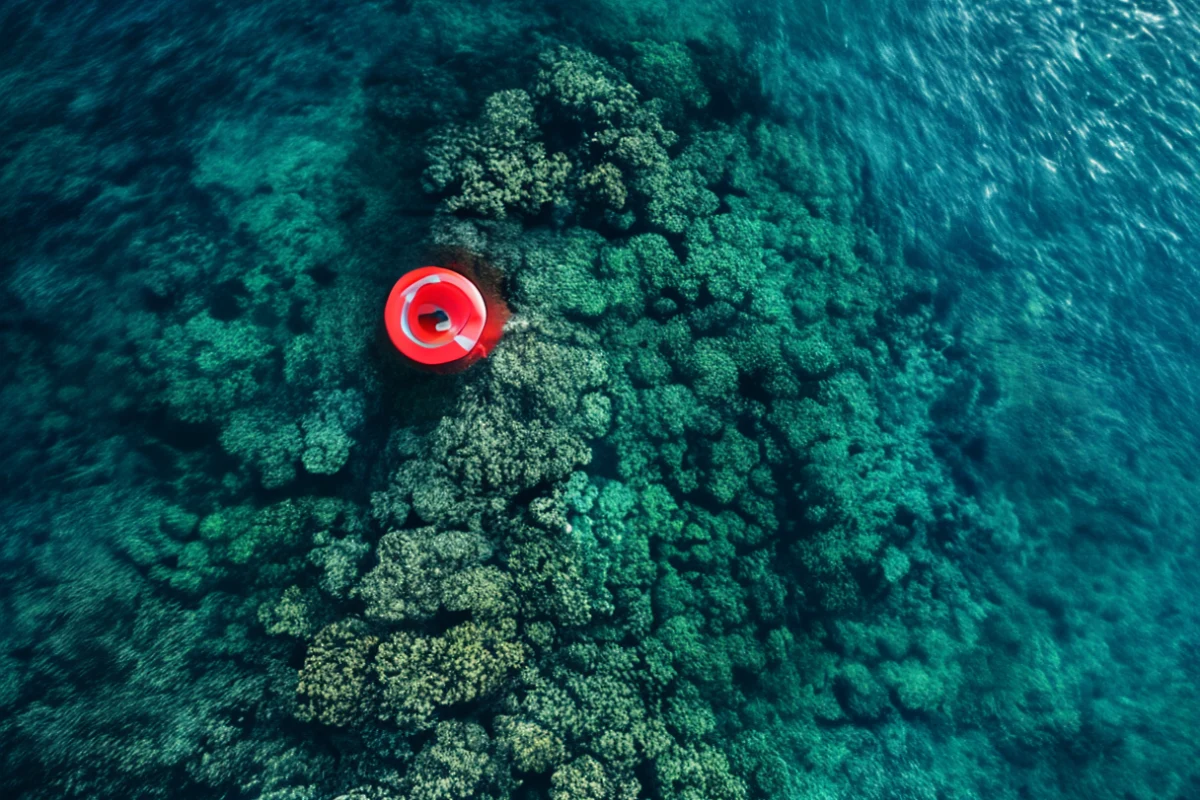
Why is marine safety so non-negotiable in Bora Bora?
The sun hits the water at 10:00 AM, turning the lagoon into a sheet of liquid sapphire that looks deceptively still. You stand on the edge of a wooden pier, looking out toward the jagged peaks of Mount Otemanu, feeling the warmth of the South Pacific on your skin.
According to World Bank data, French Polynesia recorded international tourist arrivals of 89,400 in 2020.
The setting is breathtaking, but the geography is complex. Bora Bora is a mountainous central island, an extinct volcano that covers 29.3 km2 (11.3 sq mi), surrounded by a vast lagoon that is itself separated from the open sea by a massive barrier reef.
This structure creates two entirely different worlds: the calm, protected lagoon and the unpredictable, deep ocean beyond the reef.
Because the main island measures only 8 km (5 mi) from north to south and 5 km (3 mi) east to west, the transition from the reef to the deep water can happen quite rapidly.
The health of this ecosystem dictates your entire visitor experience; if the reef is damaged or the water becomes unsafe, the magic of the island fades. Protecting this fragile boundary is the only way to ensure the lagoon remains a safe playground for generations of travelers.
*Actionable Tip: Always check local marine forecasts and tide charts at your resort before booking any lagoon excursions or boat transfers.*
But how do you actually follow the rules while you are in the water?
What are the essential regulations for visitors to observe?
A group of snorkelers drifts over a patch of vibrant coral, their fins kicking rhythmically as they descend toward a school of tropical fish. One traveler reaches out to touch a sea fan, momentarily forgetting the rules of the reef.
To maintain the integrity of this environment, specific rules are in place. When using snorkeling or diving gear, buoyancy control is your most important skill. Improperly weighted divers or those who struggle to stay afloat can accidentally kick or crush the reef.
Always ensure your mask is properly fitted and your snorkel is clear before entering deeper sections of the lagoon to prevent panic. Regarding marine life, the rules are clear: observe, but do not interfere. It is strictly prohibited to feed fish or harass marine mammals.
Feeding fish disrupts their natural diet and can lead to aggressive behavior toward humans.
Furthermore, you must never touch or stand on coral formations. Coral is a living animal, and even a light touch can transfer oils or bacteria that cause disease, or physically break the structure.
If you are swimming in areas with higher currents, always utilize a buoyancy aid or life vest if you are not a confident swimmer. The lagoon may look shallow, but the drop-offs can be sudden.
Understanding the rules is one thing, but being physically prepared is another.
How do you prepare for your underwater adventures?
The morning air is humid as a guide prepares a boat, checking the fuel levels and the life jackets one last time. You watch as he demonstrates how to properly secure a mask strap, a routine that feels much more serious than a casual beach day.
Preparation begins long before you hit the water. Before your trip, ensure you have high-quality, well-fitting gear. A mask that leaks or a snorkel that is difficult to breathe through can cause unnecessary stress in the water.
For those planning more adventurous activities, such as scuba diving or deep-sea excursions, you must work with certified guides.
During a guided lagoon tour, you will undergo a safety briefing. Do not treat this as a formality. Pay close attention to the guide's instructions regarding current directions, "no-go" zones, and hand signals.
If you are engaging in deep-sea activities, your guide is your lifeline; they understand the local topography and the specific way the water moves around the volcanic base of the island.
When I first attempted a deep lagoon snorkel in 2025, I realized that even a slight mismatch in mask suction could lead to stinging saltwater in the eyes, causing immediate disorientation.
| Activity Type | Primary Safety Focus | Recommended Skill Level |
|---|---|---|
| Shallow Snorkeling | Coral Protection & Sun Safety | Beginner |
| Lagoon Boat Tours | Current Awareness & Life Vest Use | Intermediate |
| Scuba Diving | Buoyancy Control & Pressure Management | Certified Divers Only |
| Deep-Sea Excursions | Vessel Safety & Wave Dynamics | Advanced/Guided |
But what happens when the weather changes while you are out at sea?
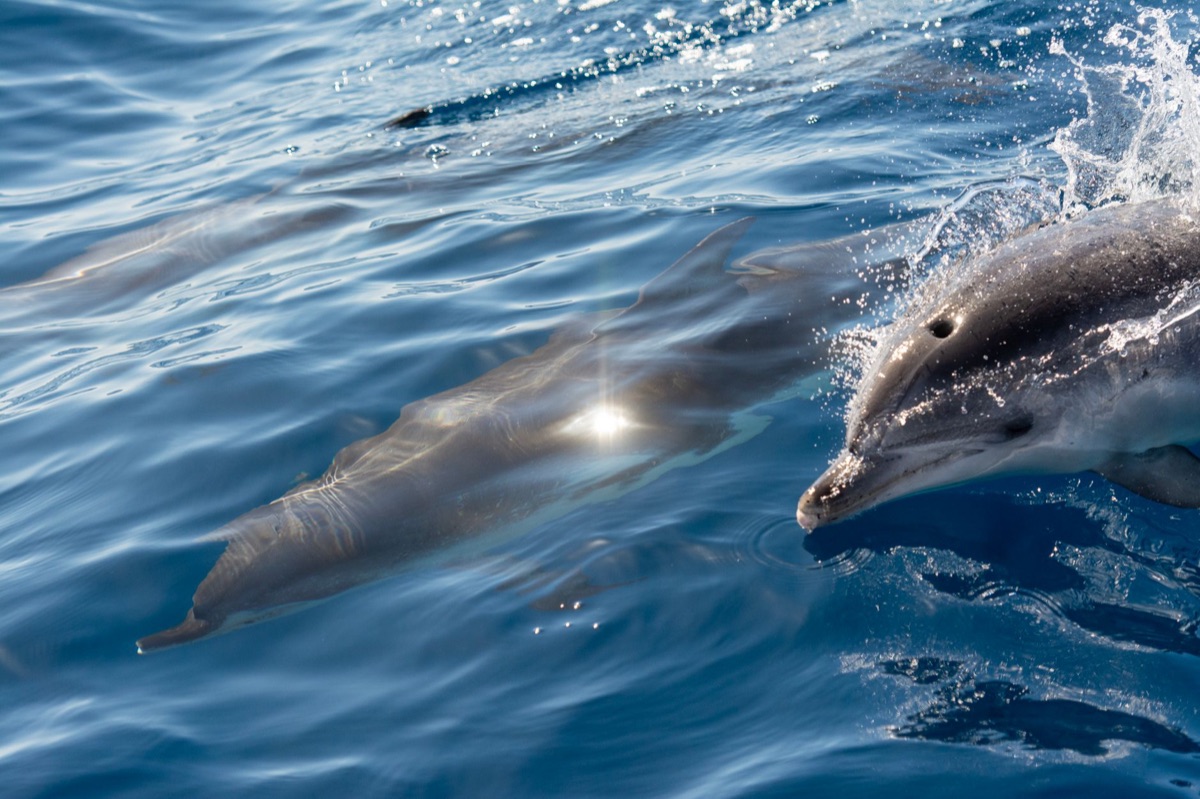
How do you navigate currents and changing weather?
The wind picks up in the late afternoon, turning the surface of the water from glass to a choppy, white-capped texture. You notice the way the water seems to pull toward the reef, a subtle but constant movement.
Understanding the difference between lagoon currents and open ocean surges is vital. While the lagoon is generally calmer, tidal shifts can create strong, localized currents that pull swimmers toward the reef or out toward the deep.
Recognizing warning signs—such as a sudden drop in water clarity or a change in the way the water "boils" near a reef edge—can indicate a strong undertow or a change in the tide.
Respect the tide schedules. Many lagoon activities are best conducted during specific tidal windows to avoid heavy surges.
If you encounter unexpected conditions, such as a sudden storm or a strong current, the safest protocol is to head toward the nearest shore or signal your boat operator immediately. Never attempt to swim against a strong current; instead, swim parallel to the shore to escape the pull.
Knowing how to react is just as important as knowing how to prepare.
What is the perfect post-immersion routine?
After a long day in the water, you sit on your deck, rinsing the salt from your skin. The smell of the ocean is heavy in the air, and you look down at your gear, noticing a small scratch on your snorkel.
Caring for your gear is part of your safety routine. Saltwater is highly corrosive; always rinse your masks, snorkels, and fins in fresh water after every use to prevent salt buildup from damaging the silicone or causing cracks. Environmental stewardship is also a matter of safety.
Using non-reef-safe sunscreens can damage the coral, which in turn degrades the natural barrier that protects the islands. Always use mineral-based, reef-safe sunscreens to protect both your skin and the ecosystem.
To keep your gear and your health in top shape, follow this checklist:
- Rinse all equipment in fresh water immediately after leaving the lagoon to prevent salt crystallization.
- 2.ly Check mask seals and snorkel valves for any cracks or salt buildup that could cause leaks.
- Apply fresh water to your skin to remove salt and prevent dehydration-related skin irritation.
- Store all gear in a cool, shaded area rather than in direct sunlight to prevent UV damage to rubber components.
- Re-apply reef-safe sunscreen every two hours to maintain skin protection.
Leaving no trace is the highest form of respect for the islands that make your honeymoon possible.
#


Comments 0