Overwater Bungalow: Beyond the View, Know the Details
"A bungalow is just a room on stilts until you understand the geometry of the view and the depth of the pilings."
Choosing an overwater bungalow in Bora Bora is often treated as a binary decision: you either stay over the water or you don't. But for a luxury traveler, the real decision is much more granular.
It is the difference between a bungalow that feels like a floating box and one that feels like a seamless extension of the lagoon.
* Structural Integrity Matters: The difference between a premium and a standard bungalow often lies in the deck-to-interior ratio and the orientation of the pilings. * Privacy is a Metric: A "good view" is meaningless if you are staring directly into your neighbor's breakfast. * Service Tiers Dictate the Mood: The gap between a standard stay and a butler-service villa is the difference between being a guest and being a resident. * Logistics are Hidden Costs: Transfer times and pier access can significantly impact your daily rhythm and total budget.

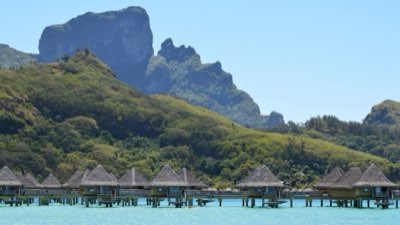
Which resort actually has real overwater rooms? The sun was just beginning to crest over Mount Otemanu at 6:15 AM, casting a sharp, golden light across the turquoise expanse of the lagoon. I stood on a wooden pier, watching a maintenance crew check the tension on a set of heavy-duty pilings that anchored a luxury villa to the seabed.
To the casual observer, it looked like a simple wooden post, but the engineering required to keep a structure stable in shifting tides is what separates a luxury resort from a mere tourist attraction.
When you book an overwater bungalow, you aren't just paying for a bed; you are paying for the architecture of the water. Some resorts utilize shallow-draft construction that keeps the deck low to the water, offering an intimate, almost tactile connection to the sea.
Others build much higher, providing a sweeping, bird's-eye perspective of the reef. In 2025, as sea levels and tidal shifts become more unpredictable, the depth of these pilings is a critical safety and comfort factor.
The footprint of the unit is another critical factor. In lower-tier bungalows, you often find a15-square-meter deck but a cramped 30-square-meter interior. In premium suites, the internal living space is prioritized, often featuring high vaulted ceilings that mimic the openness of the horizon.
You must also consider the orientation. A bungalow facing the open ocean offers dramatic, wind-swept vistas, while those facing the inner lagoon provide calmer, more colorful water and easier access to snorkeling right from your deck.
If you are comparing two properties, look at the deck-to-room ratio. A luxury villa should offer a private lounging area that is large enough to host a breakfast for two without feeling like you are sitting in a hallway.
But even with a perfect ratio, there is a hidden variable that can ruin a morning.
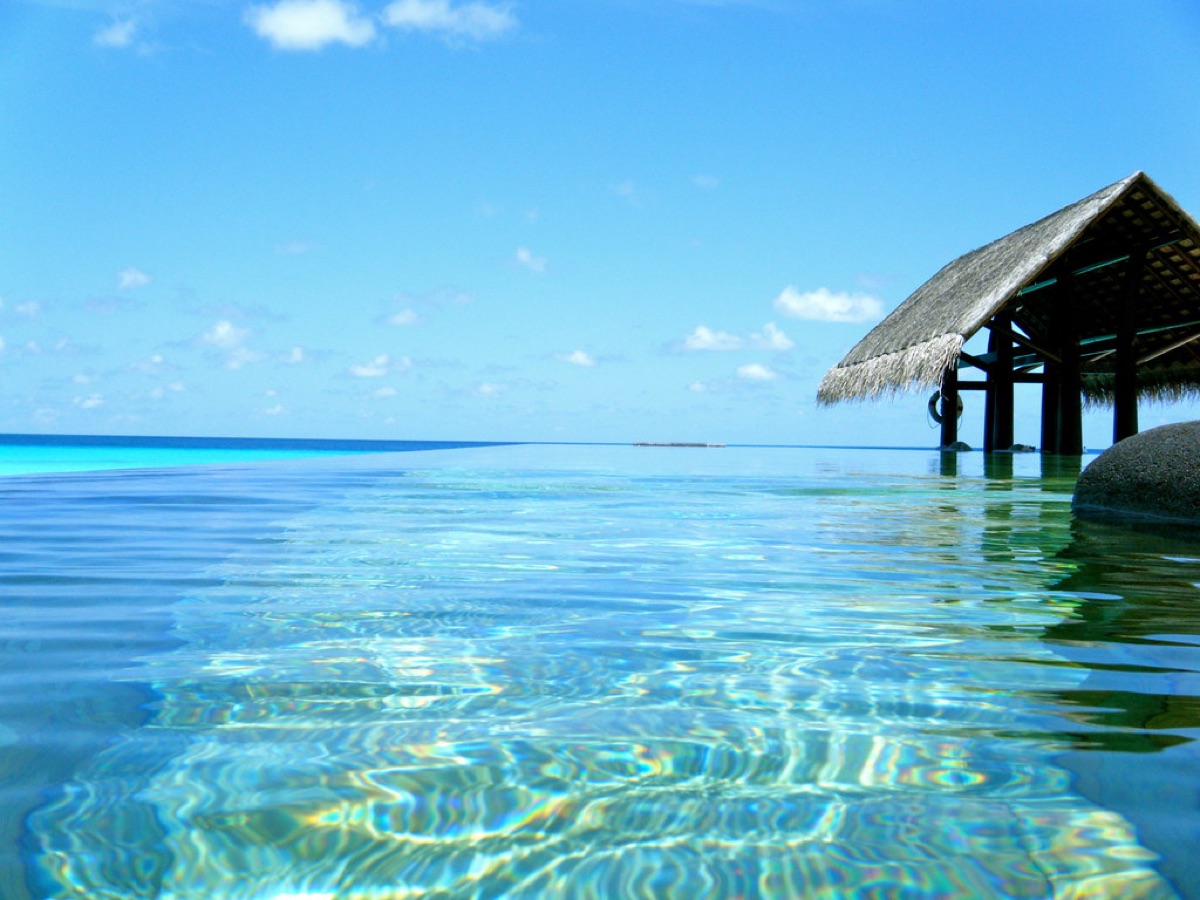
How do the views and privacy compare? I remember sitting on a private deck in a high-end villa in July 2025, sipping a cold drink, only to realize that the "unobusted view" promised in the brochure was partially blocked by the roofline of the bungalow directly in front of me.
It was a momentary lapse in privacy that changed the entire mood of the morning.
The "view" is often the primary marketing tool, but the geometry of sightlines is what determines your actual comfort. In many resorts, bungalows are arranged in long, straight rows.
While this looks stunning in aerial photography, it creates a "fishbowl" effect where neighbors can easily see into your living space. In a standard row of 10 bungalows, you might find yourself making eye contact with a stranger while you brush your teeth.
True luxury resorts solve this through staggered architecture or clever use of privacy screens made of local materials like bamboo or woven palm. When evaluating a resort, ask about the "privacy envelope." Does the bungalow have side-wing architecture to shield you from neighbors?
Is there a visual barrier between your deck and the public walkway?
Another vital distinction is the presence of a private plunge pool versus a shared infinity edge. A plunge pool on your deck offers total seclusion, but it also changes the water's temperature and clarity.
A shared infinity edge often provides a more dramatic visual connection to the horizon but requires you to share the space with other guests.
| Feature | Standard Overwater Bungalow | Premium/Luxury Overwater Villa |
|---|---|---|
| Primary Focus | Bed and direct water access | Privacy, space, and bespoke service |
| View Type | Often shared or obstructed | Unobstructed, panoramic vistas |
| Service Level | Scheduled housekeeping | Dedicated butler or concierge |
| Deck Space | Functional, often narrow | Expansive, often includes plunge pool |
| Privacy | Moderate to low | High (staggered or shielded) |
While the view is vital, the level of service you receive can change how you actually experience that view.
Service Tier Breakdown: Where Does Your Money Go?
The transition from a standard bungalow to a premium villa often feels like moving from a hotel to a private estate.
I once observed a guest in a standard suite waiting by the lobby for a shuttle at 10:00 AM, while a guest in a premium villa was greeted by a dedicated butler who escorted them via a private boat directly to their villa's landing.
The difference in service is often categorized by the level of personalization. In standard tiers, you receive traditional housekeeping—cleaning, linen changes, and turndown service. In premium tiers, you transition to butler service.
This isn't just about someone cleaning your room; it is about a lifestyle manager who can arrange a private sunset dinner on your deck, secure a specific vintage of wine, or coordinate a private snorkeling excursion.
Consider the timing of service. In luxury tiers, amenities like welcome cocktails or breakfast deliveries are timed to your specific schedule. In lower tiers, you are often tied to the resort's central dining hours.
When analyzing costs, remember that a higher room rate often includes these "invisible" services that save you time and mental energy during your stay.
However, there is a limit to what service can fix. No amount of butler service can compensate for poor logistics.
The Hidden Costs: Logistics, Transfers, and Hidden Fees
The sound of a loud, crowded speedboat engine cutting through the quiet morning air can be a jarring wake-up call. I stood on a pier once, watching a group of travelers struggle with heavy luggage as they were ushered from a large transport boat to a tiny, swaying walkway.
It was a reminder that the transition from the airport to the villa is a logistical hurdle that many forget to budget for.
When calculating the total cost of your trip, you must look beyond the nightly room rate. Transfer logistics are a major variable. Some resorts are a short, inexpensive boat ride from the main island, while others require expensive private charters or long, bumpy transfers that can take hours.
You must also account for the "accessibility premium." If a resort is located on a remote atoll, the cost of importing fresh food, fuel, and luxury amenities is passed on to the guest.
This often results in higher dining prices and higher costs for basic activities like snorkeling gear rental or boat tours. In 2026, as fuel prices fluctuate, these transfer costs can vary by hundreds of dollars per person.
To find the true cost difference between two packages, follow this step-by-step calculation:
- Calculate the Base Rate: Total nights multiplied by the nightly rate.
- Add Transfer Costs: Include airport pickups, boat transfers, and any internal shuttles.
- Factor in Meal Plans: Compare the cost of "room only" versus "half-board" (breakfast and dinner) or "all-inclusive."
- Estimate Activity Costs: Add the cost of planned excursions (e.g., private boat charters) and gear rentals.
- Include Taxes and Fees: Check for local environmental levies or luxury surcharges that may not be in the initial quote.
It is important to note that these calculations apply to high-end travel. For budget travelers or those staying in land-based accommodations, these specific overwater variables do not apply.
But how do you know which choice is right for you?
Tailoring the Experience: Matching Your Stay to Your Goal
The air was thick with the scent of Tiare flowers as I sat in a quiet corner of a resort lounge in late 2025, watching different types of travelers arrive. Some were draped in wedding finery, looking for romance; others were covered in salt and sunblock, looking for adventure.
It became clear that there is no single "best" bungalow—only the best bungalow for a specific purpose.
Choosing the right accommodation depends entirely on your travel persona. A bungalow that is perfect for a honeymooner might be a nightmare for a thrill-seeker.
* The Honeymooner: Prioritize privacy and romantic geometry. Look for villas with direct lagoon access, large soaking tubs, and layouts that emphasize a central, romantic focal point like a bed facing the water. * The Thrill-Seeker: Prioritize access and location. Choose bungalows located near the reef or the house reef to allow for immediate snorkeling and easy access to water sports like jet skiing or paddleboarding. * The Purist: Prioritize cultural authenticity. Look for resorts that utilize traditional Polynesian architectural elements—such as thatched roofs and local wood—and offer authentic cultural programming.
Decision Matrix for Travelers
| If your priority is... | Then look for... | Avoid... |
|---|---|---|
| Romance & Seclusion | Private plunge pools and butler service | High-traffic walkways or shared decks |
| Adventure & Water Sports | Proximity to the reef and easy dock access | Remote islands with limited boat access |
| Cultural Immersion | Traditional architecture and local staff | Ultra-modern, "generic luxury" designs |
Comments 0