Tahiti Vacation Prep: Your Must-Know Checklist Before You Go
"The difference between a stressful vacation and a seamless paradise lies in the details you handle before you even leave your driveway."
If you arrive in Papeete with a pocket full of unusable currency or a sunburn that prevents you from swimming, you have already lost the magic of the islands. This guide ensures your transition from the airport to your overwater bungalow is effortless.
* Financial Strategy: Master the transition from USD to CFP Franc to avoid high fees. * Packing Precision: Prioritize reef-safe protection and high-quality marine gear. * Cultural Fluency: Navigate local etiquette and inter-island logistics with confidence.
1. Financial Foundations: Why is the math so confusing?
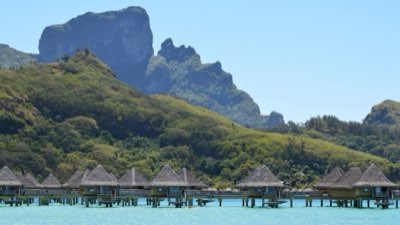
The sun sets over the turquoise waters of Bora Bora, and you realize you need local currency for a seaside dinner, but your wallet is full of USD that local vendors won't accept. This is the first hurdle of many luxury travelers.
According to World Bank, French Polynesia recorded international tourist arrivals of 89,400 in 2020.
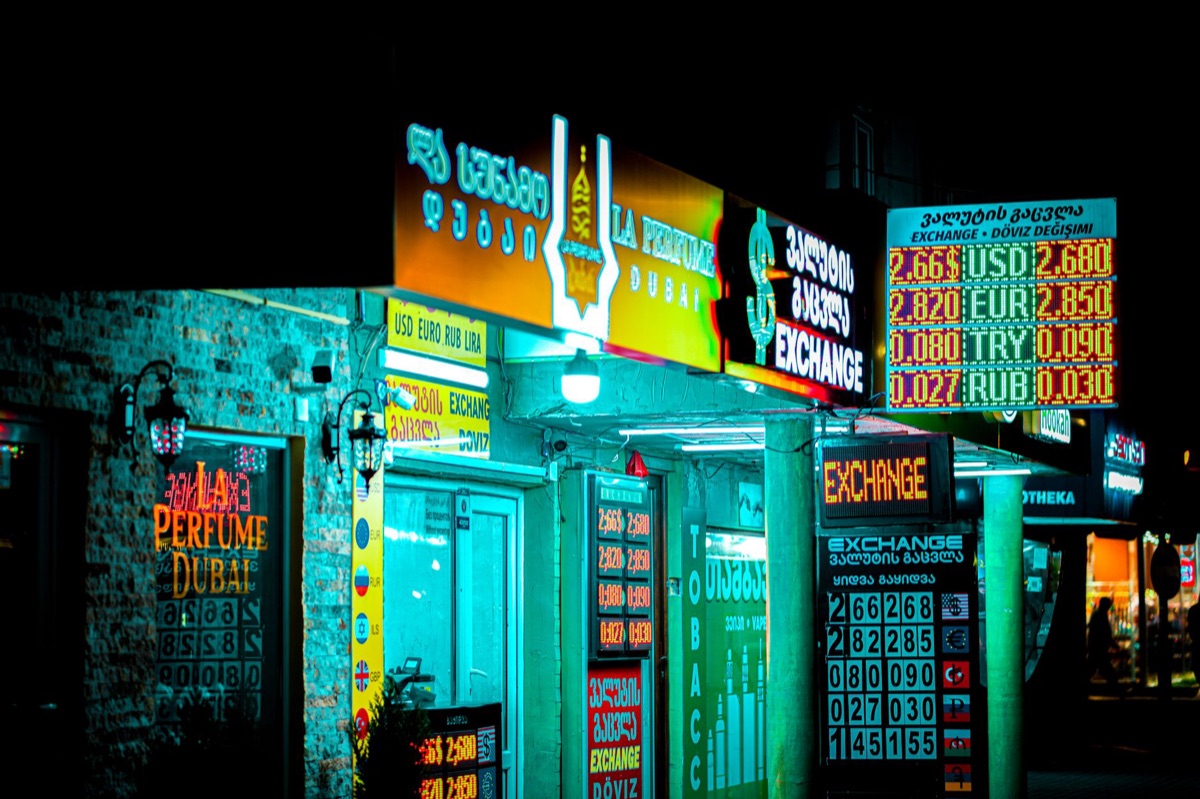
While USD is widely recognized in international hubs, the local currency is the CFP Franc (XPF). Because the CFP Franc is pegged to the Euro, the exchange rates can feel unintuitive to American travelers.
One Euro is roughly 119–120 CFP Francs, meaning you will be dealing with large numbers for even small purchases. For example, a 50 Euro lunch might look like 6,000 XPF on a receipt.
For the smoothest experience, do not rely on exchanging large amounts of USD at your local bank before departure. Instead, use ATMs in Papeete or at major airport hubs to withdraw XPF.
If you must use a Bureau de Change, do so in larger hubs like Tahiti rather than on smaller islands like Maupiti, where rates may be less favorable.
When budgeting, remember that luxury resorts often include many amenities, but local markets and small boutique shops require cash. For tipping, the culture is generally polite but not as aggressive as in the United States.
While service charges are often included in high-end resort bills, a little extra in local currency for a private boat captain or a local guide is a meaningful gesture of appreciation.
But having the right cash is only half the battle; you also need to protect your skin from the elements.
2. Packing Essentials: What do you actually need to bring?
You stand on the deck of a catamaran, the salt spray hitting your face, only to realize your cheap drugstore sunscreen is causing a stinging reaction on your skin. This is a common mistake that can ruin a week of lagoon exploration.
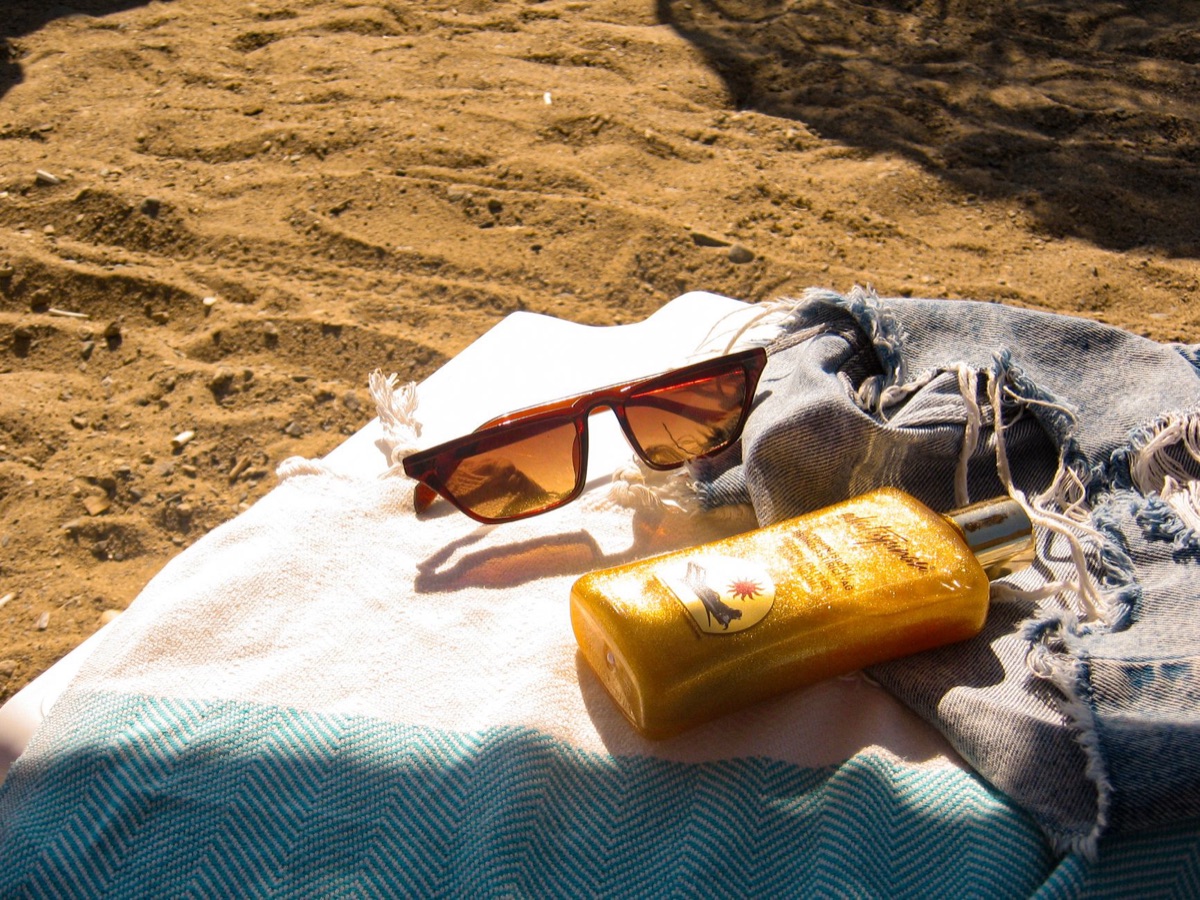
Sun protection in French Polynesia requires a specific approach. Because of the intense equatorial sun and the delicate nature of the local ecosystem, you must pack reef-safe sunscreen.
Look for non-nano zinc oxide formulas that do not contain oxybenzone, which can damage the coral reefs you are traveling to see. Additionally, high-quality rash guards are essential for long days of snorkeling to prevent torso burns.
Beyond sun protection, your gear should focus on the water. While luxury resorts provide high-end snorkeling equipment, bringing your own mask and snorkel can ensure a perfect, leak-free fit. If you plan on underwater photography, bring a dedicated waterproof housing and extra memory cards.
For cultural touchpoints, pack "island elegant" attire. While casual is the norm, visiting local villages or dining at high-end establishments like those in Moorea often calls for linen trousers or elegant sundresses.
Avoid overly revealing clothing when visiting local community areas to show respect for the local culture. I remember packing a heavy suitcase of designer linen, only to realize that a simple, breathable cotton wrap was much more practical for the humidity of a July afternoon.
If you can pack correctly, you are ready to move, but how do you navigate the islands themselves?
much of the travel involves a complex series of connections.
The transition from a long-haul flight to a tiny inter-island propeller plane can be jarring if you aren't prepared for the logistics of the archipelago. Most travelers arrive via international hubs like Los Angeles or San Francisco, landing in Papeete (PPT).
From there, you will likely transition to Air Tahiti for inter-island hops.
Because flight schedules can be tight and availability on smaller planes is limited, booking your inter-island legs well in advance is non-negotiable. When moving between islands, you have two main choices: domestic flights or ferries.
For luxury travelers, flying is almost always the preferred method due to time efficiency. However, for shorter distances, such as between Tahiti and Moorea, ferries are a reliable and scenic option.
On the islands themselves, transport is often pre-arranged. Most luxury resorts provide private shuttle services from the airport or the local pier. Never assume a taxi will be waiting at a remote pier in Bora Bora; always confirm your transfer with your resort at least 24 hours in advance.
Once you arrive at your destination, you must navigate the social landscape of the islands.
3. Local Etiquette & Safety: How do you respect the culture?
You walk toward a sacred stone structure on a remote beach, unaware that you are stepping into a space of deep local significance.
Respecting local customs is vital for a meaningful connection to the islands. Polynesians are known for their warmth, but they also value privacy and respect for traditional customs.
When visiting local villages or sacred sites, always ask for permission before taking photos of people or religious landmarks. A simple "Ia Orana" (Hello) goes a long way in establishing rapport.
Marine safety is the most critical physical concern. The lagoons are beautiful, but currents can be deceptively strong. Always swim in designated areas and be mindful of the tide.
When snorkeling, never touch the coral; it is both a biological necessity for the reef and a sharp, living organism that can cause painful cuts.
Regarding health, stay hydrated to combat the tropical humidity. While the islands are generally very safe for tourists, standard travel security applies: do not leave valuables unattended on public beaches or in rental cars.
With the rules of respect understood, you can finally focus on the joy of the trip.
4. Maximizing Your Experience: How do you plan your days?
The evening begins with a choice: a quiet, romantic dinner on your private bungalow deck or a vibrant, multi-course culinary journey at a renowned restaurant in Vaitape.
To maximize your trip, you must balance high-end luxury with authentic local experiences. In the resorts, many packages include breakfast or specific excursions. Read your booking details carefully to understand what is included.
If you have booked a "honeymoon package," it often includes specific amenities like flower leis or private dinners that are designed to be seamless.
For activities, plan your "big" excursions—like a private boat tour to see stingrays or a jet ski tour—around your energy levels. A common mistake is over-scheduling. Leave room for "do nothing" time.
If you are visiting the islands, try to mix high-activity days (like scuba diving or hiking Mount Otemanu) with low-activity days (like lounging in a hammock) to avoid burnout.
To ensure you don't miss a thing, follow this preparation checklist:
- Verify Currency Needs: Withdraw XPF from a local ATM upon arrival in Papeete to cover small local purchases.
- Check Flight Connections: Confirm your Air Tahiti inter-island flight times at least 48 hours before departure.
- Pack Reef-Safe Gear: Ensure all sunscreens are non-nano zinc oxide to protect the local ecosystem.
- Confirm Transfers: Contact your resort to book airport or pier pickups at least 24 hours in advance.
- Set a Daily Pace: Schedule one major activity per day to prevent exhaustion from the tropical heat.
| Category | Essential Item | Why It Matters |
|---|---|---|
| Money | XPF Cash | Small vendors and local markets often do not take cards. |
| Sun | Reef-Safe Sunscreen | Protects both your skin and the fragile coral reefs. |
| Tech | Universal Adapter | Ensures your devices stay charged for photography. |
| Water | High-Quality Mask | A better seal prevents water entry during snorkeling. |
❓ Frequently Asked Questions (FAQ)
Q: Is tipping mandatory in Tahiti? A: It is not mandatory in the way it is in the US, but it is highly appreciated. For private guides, drivers, or specialized service staff, a small tip in local currency is a great way to show gratitude.
Q: What is the best way to visit multiple islands? A: The most efficient way is to use Air Tahiti for inter-island flights. For islands that are close together, such as Tahiti and Moorea, a ferry is a great, cost-effective alternative.
Q: Should I bring my own snorkeling gear? A: If you have a mask that fits your face perfectly, bring it. While resorts provide gear, a custom fit ensures you can stay underwater longer without leaks or discomfort.
The islands of French Polynesia are a masterpiece of nature, designed to be experienced with presence and respect. By handling your finances, packing with purpose, and honoring local customs, you clear the way for the only thing that truly matters: the unforgettable beauty of the South Pacific.
Comments 0