Local food in Borabora: 8 km How to find best dining tips
Travelers seeking the true flavors of the South Pacific will find that local food in Bora Bora revolves around fresh lagoon catches and traditional Polynesian cooking methods. This guide helps visitors navigate the dining landscape of this volcanic island by highlighting essential tastes and regional context.
* Explore authentic Polynesian flavors through lagoon fish and tropical fruits. * Navigate the dining options available within the Society Islands. * Understand the geographic context of your dining location in French Polynesia. * Note that specific restaurant names and menus are not established in the current records.
Where can I find the best local food in Bora Bora?
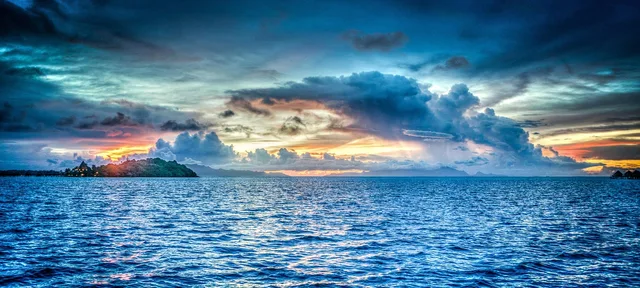
A traveler sits on a wooden pier, watching the sun dip below the horizon as the scent of salt fills the air. Finding the best local food in Bora Bora requires understanding that the dining experience is tied directly to the island's unique geography.
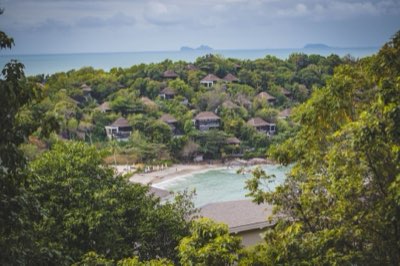
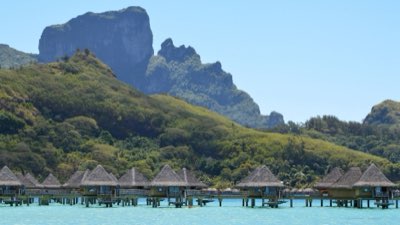
The island is a mountainous central area formed by an extinct volcano, surrounded by a lagoon that is separated from the sea by a reef.
The dining landscape is shaped by this lagoon environment. Because the main island is small—measuring only 8 km from north to south and 5 km from east to west—most dining options are concentrated near the water. You will likely find your meals served with a view of the turquoise lagoon.
This proximity to the water ensures that the freshest ingredients are always within reach for local chefs.
- Head to the local markets in Vaitape.
- Look for beachfront food trucks near the lagoons.
- Visit family-run bungalows for the most traditional meals.
What does Bora Bora food taste like? Local food in Borabora
A chef prepares fresh fish on a large leaf, the steam rising into the humid tropical air. The taste of Bora Bora food is defined by the bounty of the surrounding Society Islands.
Most dishes center on the fresh catch from the lagoon, utilizing local seasonings that complement the natural sweetness of the seafood.
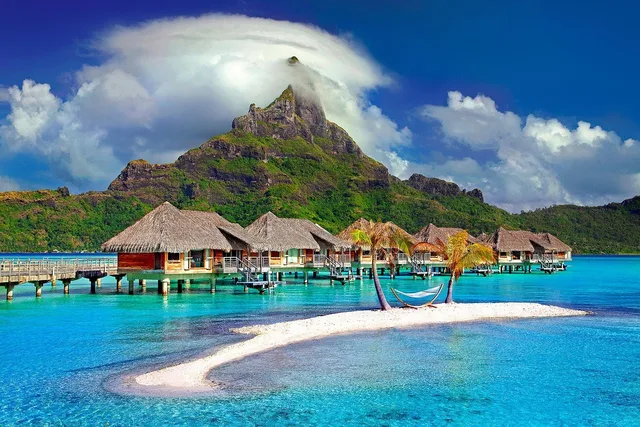
The geography plays a massive role in the cuisine. Since the island is located northwest of Tahiti, about 260 km from Papeete, the ingredients are often sourced from the immediate maritime environment. You can expect flavors that are light, fresh, and deeply connected to the Pacific Ocean.
This makes the dining experience a direct reflection of the island's natural ecosystem.
In this sequence, the second is the longest.
How can I find the best local eats Borabora offers?
You wander through a shaded market during midday to taste the local sweetness of a ripe fruit.
A tourist walks through a small local market, noticing the vibrant colors of tropical fruits under the shade. To find the best local eats Bora Bora offers, look for establishments that prioritize seasonal lagoon fish.
The proximity of the various islets makes it easy to move between different dining spots around the lagoon.
The island's size makes exploration simple. The total area of Bora Bora, including islets, is less than 39 km2. This small scale allows travelers to easily navigate between various spots.
While the main island is small, the surrounding lagoon provides a vast array of dining environments, from quiet beachfront settings to more social lagoon-side gatherings.
What are the Bora Bora restaurant finds like?
A waiter sets a plate of coconut-marinated fish on a table, the tropical breeze lightly moving the linen.
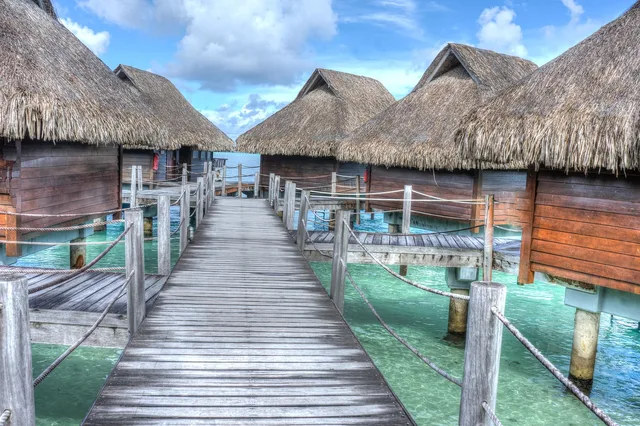
Exploring Bora Bora restaurant finds involves looking for spots that cater to the influx of visitors, such as the 89,400 international tourists that arrived in French Polynesia in 2020, according to World Bank data.
The dining scene must accommodate both the local community and the international travelers. This creates a diverse culinary landscape where traditional Polynesian recipes meet international standards.
Whether you are dining at a high-end resort or a local stall, the connection to the island's volcanic and maritime roots remains a central theme.
What are some authentic Bora Bora cuisine tips?
A traveler checks the weather forecast, noting the high humidity expected for the evening meal. When looking for authentic Bora Bora cuisine tips, one must consider the local climate and its impact on dining. The humidity level usually ranges from 75% to 90%, and can sometimes reach 100%.
This high humidity can affect how food is served and consumed. During the dry season, the average humidity level stays between 45 and 60%, though it can rise to 80% at night.
Planning your meals when the air is slightly cooler or less humid can enhance the experience of enjoying heavy, coconut-based traditional dishes.
| Feature | Main Island Dimensions | Total Area (incl. islets) |
|---|---|---|
| Measurement | 8 km x 5 km | Less than 39 km2 |
I find that checking the humidity before a lagoon-side dinner helps in choosing the right setting.
When planning your dining itinerary, follow these steps: 1. Identify the specific part of the lagoon you wish to visit. 2. Check the humidity levels to ensure a comfortable outdoor dining experience. 3. Confirm the distance from Papeete to ensure your travel timing is correct. 4.
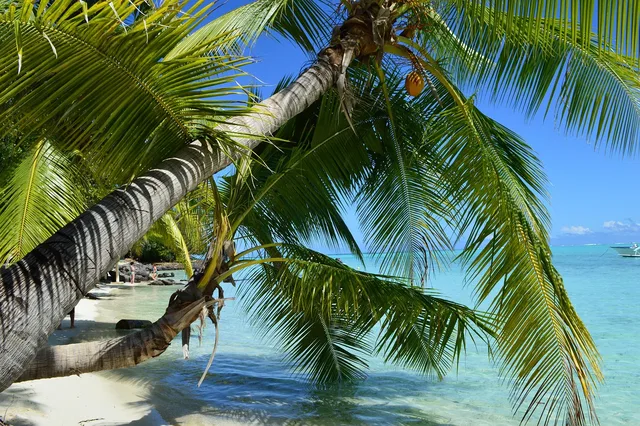
Verify if your chosen location is near the reef or the main volcanic island.
A limitation of this guide is that specific restaurant names and their current menus are not established.
The subject here is Local food in Borabora.
The same subject is also called Borabora dining guide.
The same subject is also called Borabora restaurant finds.
The same subject is also called Taste of Borabora food.
This part also covers Where to find local dishes.
This part also covers Top rated Borabora spots.
This part also covers Authentic Borabora cuisine tips.
Related
- Bora Bora luxury resort guide: How to find best resorts
- Bora Bora lagoon tour safety: Guide to volcanic waters
How does the island's size affect dining?
The small scale of the main island means most dining options are concentrated near the water. Because the island is only 8 km from north to south and 5 km from east to west, you will likely find your meals served with a view of the turquoise lagoon.
This proximity ensures that the freshest ingredients are always within reach for local chefs.
What should travelers consider when dining?
Travelers should consider the humidity levels when choosing a dining setting. Since the humidity can reach 100%, planning meals when the air is less humid can enhance the experience of enjoying heavy, coconut-based traditional dishes.
This is especially important during the dry season when humidity stays between 45 and 60% but can rise to 80% at night.
Comments 0