Tahiti Islands island guide: Best scenery of volcanic island
"The turquoise waters of the Society Islands offer a landscape that feels disconnected from the modern world, where the rhythm of the tide dictates the pace of life."
Choosing between islands in French Polynesia depends on whether you prioritize the volcanic peaks of Bora Bora, the administrative hub of Tahiti, or the secluded atmosphere of Huahine.
This Tahiti Islands island guide helps you navigate the distinctions between these destinations to ensure your itinerary matches your expectations. Travelers should consider that Bora Bora is significantly smaller than Tahiti, making it a more concentrated experience.
One limitation of this comparison is that specific accommodation availability and local seasonal weather patterns for Huahine are not established.
Which island offers the best scenery?
At sunset on the pier, you feel the warm breeze while staring at the dramatic peaks surrounding Tahiti.
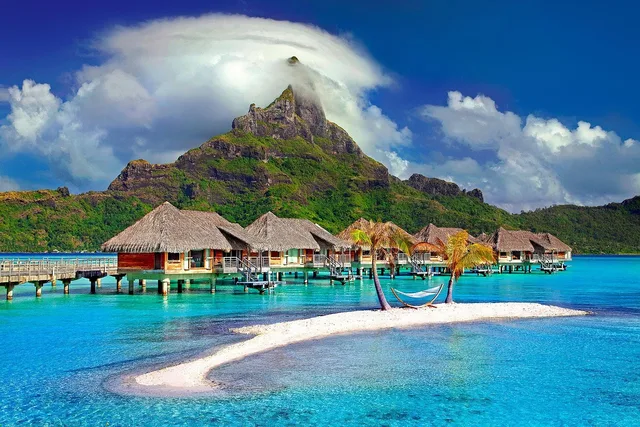
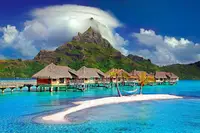
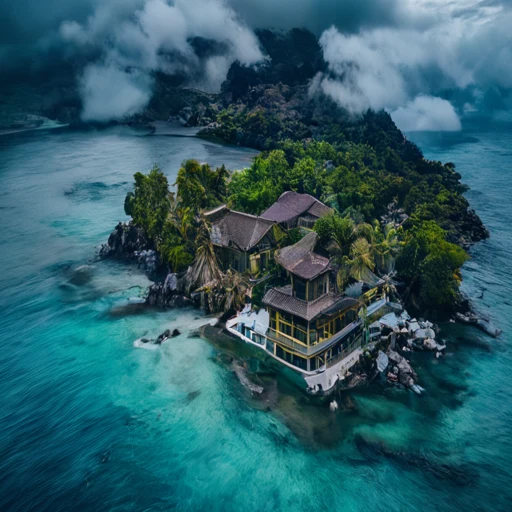
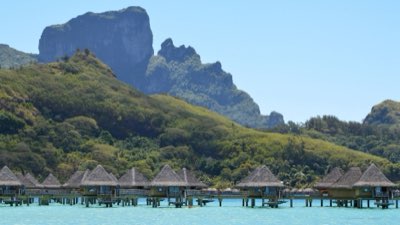
A traveler stands on the edge of a wooden pier, watching sunlight dance across a vast, crystalline lagoon. Bora Bora is a mountainous central island formed by an extinct volcano. This geological feature creates a dramatic backdrop where the land rises sharply from the sea.
According to Wikipedia, the mountainous central island covers an area of 29.3 km2 (11.3 sq mi).
The landscape is defined by its unique structure. This volcanic core is surrounded by a lagoon that remains separated from the open sea by a protective reef. This natural barrier creates the calm, shallow waters often associated with the region.
Because of this, the island feels like a sanctuary tucked away within the larger archipelago.
I find the third option to be the most breathtaking.
How big is Bora Bora compared to others? Tahiti Islands island guide
At noon, you trace a finger over the map to see how much smaller Bora Bora is than Tahiti.
A navigator traces a finger across a nautical chart, noting the distances between the various Society Islands. Understanding the scale of these islands is essential for planning travel times. Bora Bora is among the smaller of the islands in the Society archipelago.
According to Wikipedia, the main island measures only 8 km (5 mi) from north to south and 5 km (3 mi) east to west.
The total area of Bora Bora, including all islets, is less than 39 km2 (15 sq mi). When you consider the total land area of 30.55 km2 (12 sq mi), the compact nature of the island becomes clear. This proximity allows for quick movement between different points of interest.
Traveling between the main island and its surrounding islets is a central part of the local experience.
- Assess the total land area.
- Compare the coastline length.
- Evaluate the lagoon size.
Where is Bora Bora located?
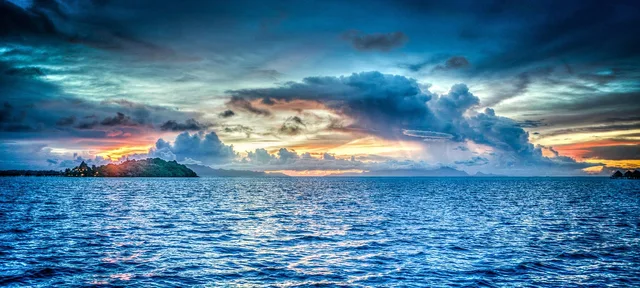
A seaplane tilts its wings, descending toward the blue expanse of the Pacific. Locating your destination within the broader map of the Pacific helps set the stage for your journey. Bora Bora is located in the Society Islands, which are part of French Polynesia.
It is situated northwest of Tahiti, roughly 260 km (162 mi) northwest of Papeete, Tahiti.
This distance means that travelers must plan for significant transit times when moving from the main hub to the outer islands. The geography creates a sense of isolation that many seek when visiting the South Pacific.
The distance from Papeete is a key factor for anyone coordinating multi-island itineraries.
What is the weather like in the islands?
The air feels heavy and warm against the skin as the sun reaches its peak. Humidity plays a significant role in the sensory experience of the tropical environment. In Bora Bora, the humidity level usually ranges from 75% to 90%.
At times, these levels can reach 100%, creating a very damp atmosphere. This high moisture content is a standard characteristic of the tropical climate in this region. Understanding these conditions is vital for preparing for the heat and the lush, damp vegetation found throughout the islands.
How did tourism impact the region?
A traveler looks at a quiet harbor, reflecting on the shifting patterns of global travel. The economic landscape of French Polynesia has been influenced by significant fluctuations in visitor numbers.
According to World Bank data, French Polynesia recorded international tourist arrivals of 89,400 in 2020.
This figure represents a specific moment in the history of the region's tourism industry. Such data points highlight how external global factors can directly impact the local economy. Monitoring these trends is useful for understanding the scale of the hospitality industry in the islands.
How to choose your island?
A traveler sits at a desk, spreading various brochures across the table to compare options. Selecting the right destination requires a clear understanding of the geographical and physical differences between the choices.
- Determine if you require a mountainous volcanic setting or a more administrative hub. 2. Check the total land area to decide if you want a large island or a compact one. 3. Verify the distance from Papeete to ensure transit times fit your schedule.
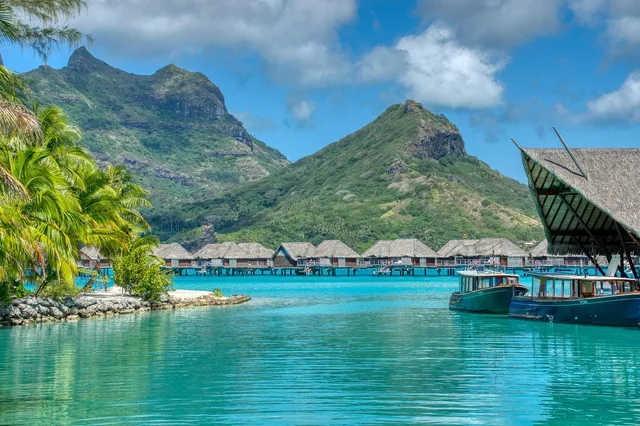
I compare the size of the main island to the total area including islets to get a sense of the terrain. This comparison helps clarify the actual space available for exploration.
| Feature | Bora Bora Main Island | Bora Bora Total Area |
|---|---|---|
| Length (N to S) | 8 km (5 mi) | N/A |
| Total Area | 29.3 km2 (11.3 sq mi) | < 39 km2 (15 sq mi) |
The scale of these islands is limited by their natural volcanic and reef structures.
The same subject is also called Bora Bora vs Tahiti guide.
The same subject is also called Tahiti island comparison.
The same subject is also called Choosing a Tahitian isle.
Best island for honeymoon Tahiti
Related
- Bora Bora lagoon tour safety: Guide to volcanic waters
- Vorovara marine safety rules: Your lagoon journey guide
What are the practical considerations for a trip?
- Assess your tolerance for dense, warm environments, as the humidity in the turquoise waters can be intense. 2. Decide whether the concentrated, small-scale experience of a volcanic island suits your travel style over a larger center. 3. Factor in the transit time required to reach the Society Islands from the main hub.
The turquoise waters surrounding Bora Bora present a unique environment where the heat and moisture are constant conditions. This climate necessitates careful packing for comfort during excursions across the island.
Travelers must appreciate that the island's small size means that many points of interest are accessible in close proximity.
How does the geography affect travel?
The reef structure surrounding the main island acts as a natural buffer against the open sea. This protective feature is responsible for the calm conditions within the lagoon system. Navigating this geography requires awareness of the island's defined boundaries.
The proximity of the islets to the main landmass means that movement between land features is generally swift. This compact layout contrasts sharply with the potential for greater distances on larger islands in the archipelago.
The turquoise waters offer a visual reward for traversing this intricate landform.
The comparison between the main island's dimensions and its total area shows how the surrounding islets contribute to the overall footprint. This difference in measurement highlights the complexity of the island's physical structure.
Travelers should keep this structural detail in mind when planning activities.

Comments 0