Tahiti island resort guide: Why choose a populated center?
"The choice of an island in French Polynesia defines the entire rhythm of a luxury stay, from the solitude of a volcanic lagoon to the bustle of a populous center."
This guide helps travelers select the ideal luxury island in French Polynesia by comparing the distinct characteristics of Tahiti and Bora Bora. You will learn which destination suits your preference for island size and geography, while understanding the logistical distances involved.
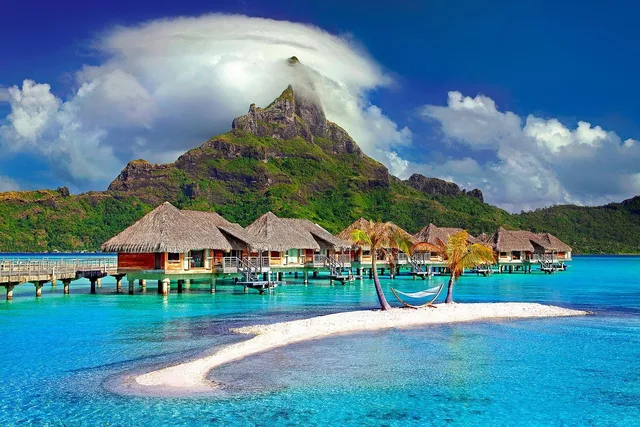
Key takeaways include the population density differences between islands, the specific volcanic geography of Bora Bora, and the humidity levels you should expect. This guide is for travelers seeking specific island traits, but it cannot predict specific resort pricing or availability.
Which Tahiti island resort guide is right for me?
At sunset, you grip the warm balcony railing while scanning the Tahiti skyline for the perfect sanctuary.
A traveler stands on a balcony overlooking the turquoise waters of the Society Islands, deciding where to anchor the next leg of a journey. This Tahiti island resort guide focuses on the essential geographic and demographic distinctions that shape your experience.
While Tahiti serves as the central hub, Bora Bora offers a specialized environment for those seeking a different landscape.
The selection process depends heavily on whether you prefer a populated center or a smaller, secluded area. Tahiti is the most populous island, home to nearly 69% of the population of French Polynesia as of 2017. This makes it the primary gateway for the region.
I find that the third step is the most important.
How does Bora Bora compare to Tahiti?
As the noon heat stings your skin, you trace the vast ocean on a map to see how Bora Bora differs from Tahiti.
An explorer maps out the distance between islands, noting the stretch of ocean that separates the main hub from the smaller islets. To compare Tahiti resorts, one must look at the scale of the islands themselves.
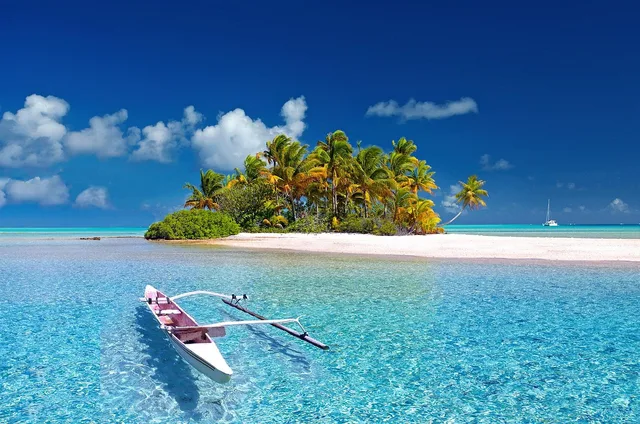
Tahiti serves as the primary center of activity, while Bora Bora is a much smaller, more specific destination.
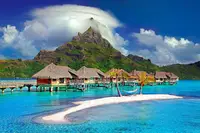
Bora Bora is among the smaller of the islands in the Society archipelago. The main island measures only 8 km (5 mi) from north to south and 5 km (3 mi) east to west.
In contrast, the islands of French Polynesia make up a total land area of 3,521 square kilometres (1,359 sq mi), scattered over more than 2,000 km (1,200 miles) of ocean.
| Feature | Tahiti | Bora Bora |
|---|---|---|
| Primary Role | Most populous island | Smaller island of the Society archipelago |
| Geography | Population hub | Mountainous extinct volcano |
I once sat by the shore in Papeete, realizing that the sheer scale of the ocean between these points requires careful planning.
- Determine your budget for luxury accommodations.
- Evaluate the level of privacy you require.
- Select the island based on activity preferences.
Where is Bora Bora located?
A navigator checks the coordinates on a chart, tracing the path from the capital to the northern islets. If you are looking for the best Tahiti luxury stays, you must understand the proximity of the surrounding islands. Bora Bora is located in the Society Islands, which are part of French Polynesia.
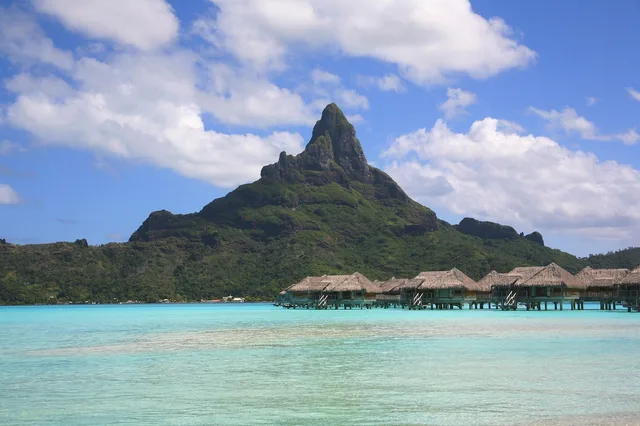
The island is located northwest of Tahiti, about 260 km (162 mi) northwest of Papeete, Tahiti. This distance is a vital factor for travelers moving between the mainland and the smaller islands. Understanding this distance helps in planning the logistics of a luxury itinerary.
What is the landscape of Bora Bora like?
A hiker climbs a steep ridge, feeling the moisture in the air as the view opens up over a coral reef. Understanding the physical makeup of your destination is essential for an island resort selection guide. The terrain of Bora Bora is significantly more vertical than the surrounding plains.
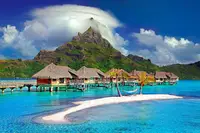
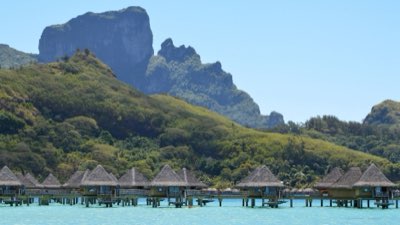
Bora Bora is an area of 29.3 km2 (11.3 sq mi) mountainous central island. This central island is an extinct volcano, itself surrounded by a lagoon separated from the sea by a reef. The total area of Bora Bora, including islets, is less than 39 km2 (15 sq mi).
What environmental conditions should I expect?
A guest wipes condensation from a glass, noticing the heavy, tropical air typical of the South Pacific. When evaluating Tahiti resort cost comparison or climate, the humidity is a constant factor. You must prepare for a specific atmosphere that defines the tropical experience.
The humidity level usually ranges from 75% to 90%, sometimes reaching 100%. This high moisture level is a defining characteristic of the island environment. It affects everything from comfort to how you package your belongings for the trip.
How to choose your island?
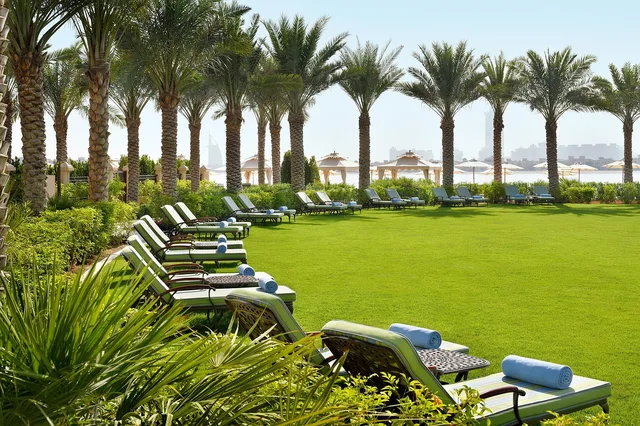
A traveler reviews a list of island traits, checking off preferences for privacy and activity. To ensure a successful trip, follow these steps to evaluate your destination:
- Determine if you require a central hub with a high population or a secluded islet. 2. Check the distance from Papeete to your desired destination to plan transit. 3. Verify the geographic terrain to ensure it matches your planned activities.
Always confirm the specific island's size and landscape before booking.
The same subject is also called Tahiti travel resort tips.
This part also covers Which Tahiti island to visit.
This part also covers Luxury resort standards Tahiti.
Tahiti resort cost comparison
Related
- How to use Water Bungalow Resort Guide for lagoon depth
- Voravora bungalow comparison: See suite levels why
How does the island size affect your trip?
An island selection depends on the scale of the landmass you intend to visit. Comparing the two destinations reveals that Tahiti functions as a large population hub, whereas Bora Bora is a much smaller, mountainous island.
You should consider if you prefer the expansive territory of a central hub or the compact, vertical landscape of a smaller volcanic island.
If you choose a smaller island, you must account for the specific terrain. The mountainous central island of Bora Bora is significantly smaller than the total land area of French Polynesia. This compact size means the geography is more vertical than the surrounding plains of the larger islands.
Should you prioritize location or geography?
Your choice depends on whether you prioritize the distance from the main hub or the specific terrain of the destination. If you select an island far from Papeete, you must plan for the logistical distance across the ocean.
If you select an island based on terrain, you must prepare for the volcanic landscape or the high humidity levels found in the tropical environment.
Wikipedia: French Polynesia Based on the retained excerpt mentioning Fourth Committee of the UN General Assembly: In October 2026, the Fourth Committee of the UN General Assembly approved a draft resolution on French Polynesia, reaffirming the right of its people to self-determination.

Comments 0