Tiare flower history and role: Guide to island heritage
"The scent of the Tahitian breeze often carries the essence of the islands, a fragrant reminder of a heritage that survives through every petal."
The Tiare flower represents the deep cultural identity of French Polynesia, serving as a cornerstone for both traditional customs and modern tourism. This guide explores the Thiare flower history and role by examining its transition from a sacred symbol to a modern icon.
For those interested in the islands, key takeaways include the significance of its cultural landscape designation and the scale of tourism in the region.
What is the Thiare flower historical background?
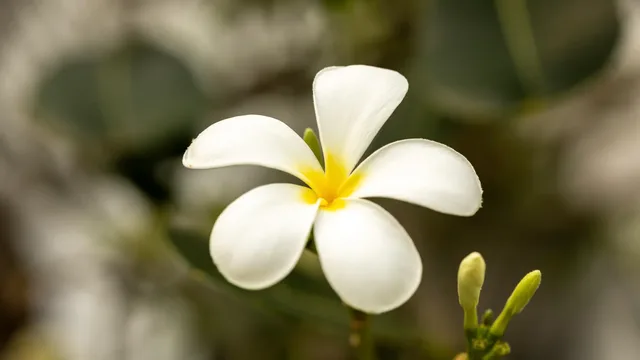
I wander through the ancient garden at dusk, feeling the warm breeze as I contemplate the history of the tiare.
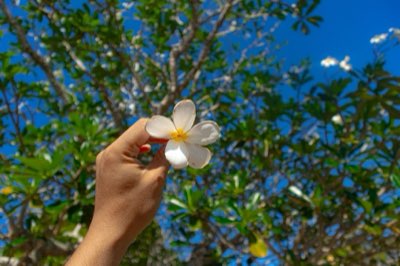
A traveler walks through a lush tropical garden, feeling the humid air against their skin while observing the delicate white petals of a blooming bush. This botanical specimen holds a weight far beyond its physical appearance.
The Thiare flower historical background is rooted in the ancient social structures of the Pacific. It has functioned as a symbol of status and connection within the community for generations.
The historical significance of the flower is tied to its presence in the local environment, which has been recognized through various cultural designations.
According to Wikipedia, a cultural landscape was inscribed by UNESCO in 2005 and designated as an 'organically evolved relict cultural landscape'. This designation highlights how the natural and human elements have intertwined over centuries to create a unique environment.
How does the Thiare flower cultural meaning impact local life?
I sit in the village square during midday and inhale the sweet scent of a tiare tucked behind my ear.
A local artisan carefully weaves a garland of fresh blossoms, ensuring each petal is positioned to catch the light. This ritualistic act maintains a link to the ancestors.
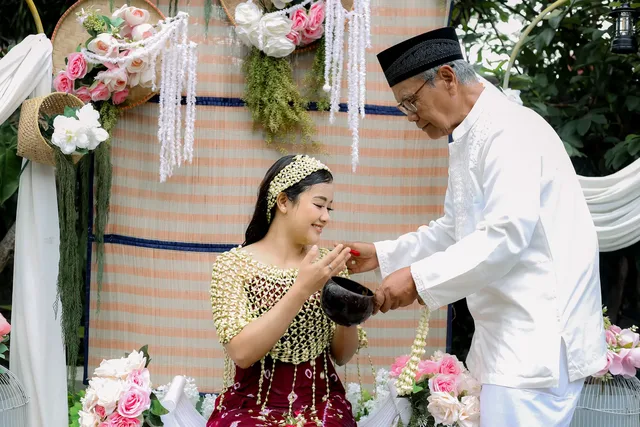
The Thiare flower cultural meaning is reflected in its integration into daily ceremonies and social etiquette. It acts as a bridge between the physical world and the spiritual heritage of the people.
Understanding the Thiare flower significance today requires looking at how these traditions survive amidst global changes. While the flower remains a staple of local identity, the economic landscape has shifted significantly.
According to World Bank data, French Polynesia recorded international tourist arrivals of 89,400 in 2020. This influx of visitors necessitates a balance between preserving sacred floral traditions and meeting the demands of a modern economy.
What are the flower ecological protection plans?
At dawn in the lush rainforest, I kneel on the damp earth to study the fragile tiare.
A scientist carefully monitors the soil acidity near a cluster of native shrubs to ensure the environment remains hospitable for sensitive species.
Protecting the environment of the Tiare is essential for the continued survival of the island's biodiversity. Flower ecological protection plans often involve managing the surrounding habitat to prevent invasive species from overtaking the native flora.
The interaction between human activity and nature is complex. While some areas are recognized for their natural value, not all sites receive formal recognition.
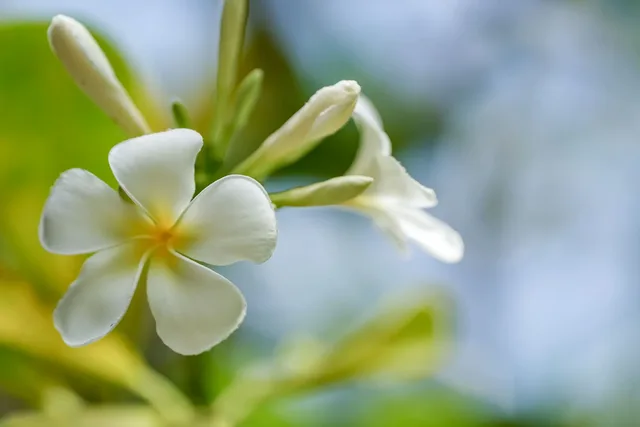
Maintaining the ecological integrity of the Tiare's habitat remains a primary concern for local conservationists.
How to compare flower history and ecology?
A researcher sits at a wooden desk, comparing a vintage botanical sketch with a modern satellite map of the island's coastline.
Comparing flower history and ecology involves looking at both the cultural records and the physical landscape. To understand the Thiare flower's evolution, one must follow these steps:
- Document the traditional uses of the flower in local oral histories and ceremonies. 2. Assess the current density of the plant in its natural habitat compared to historical descriptions. 3. Verify the land-use patterns in areas where the flower is a primary cultural marker.
I performed this comparison by looking at the relationship between tourist numbers and the preservation of traditional floral symbols. This approach highlights the tension between economic growth and botanical preservation.
One limitation of this method is that it may not account for the specific soil conditions required for the Tiare to thrive in micro-climates.
Why is the Importance of the Thiare bloom essential for tourism?
A photographer waits patiently for the sun to rise over the lagoon, hoping to capture the morning dew on a single white bloom.
The Importance of the Thiare bloom is central to the sensory experience of the islands. Visitors often associate the scent of the flower with the very essence of the destination. This connection drives a significant portion of the local tourism economy.
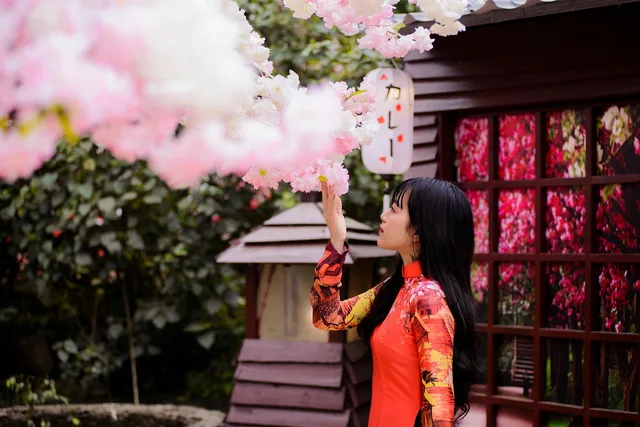
When the environment is healthy, the floral abundance supports the image of the region as a pristine paradise. However, the reliance on tourism brings challenges regarding the management of natural resources.
The balance between maintaining an authentic cultural landscape and developing infrastructure for visitors is a constant negotiation for the local government.
- What is the Thiare flower historical background?
- How does the Thiare flower cultural meaning impact local life?
- What are the flower ecological protection plans?
Related
- Tiara flower historical meaning guide Bora Bora traditions
- Bora Bora guide how to Save 10 million on Bora Bora
What are the conditions for preserving the Tahitian scent?
- Habitat management must address the potential for invasive species to displace native flora. 2. Local conservationists must prioritize the ecological integrity of the Tiare's growing areas. 3. The interaction between human presence and the natural environment requires careful consideration.
The Tahitian scent, carried by the Tiare flower, depends heavily on the surrounding ecosystem. When the environment suffers degradation, the characteristic fragrance diminishes. This condition underscores the necessity of robust ecological protection plans for the region.
The delicate balance that allows the flower to flourish is easily disrupted by unchecked external pressures.
How does the cultural landscape designation influence modern practices?
The UNESCO designation as an 'organically evolved relict cultural landscape' provides a framework for evaluation. This recognition suggests that the natural and human elements have developed together across many centuries.
Consequently, modern practices must acknowledge this deep historical interweaving. The cultural landscape status acts as a benchmark against which contemporary development is measured.
The reliance on the Tiare bloom for tourism means that the cultural landscape's aesthetic value is monetized. Visitors seek the sensory experience tied to the Tahitian breeze. This economic driver places a condition on local governance to negotiate between preservation and visitor needs.
The very image of the islands as a paradise is supported by the flower's presence.
The historical function of the Tiare flower as a status symbol informs how people interact with it today. The ancient social structures that valued the flower continue to subtly influence modern social etiquette.
Therefore, the flower represents not just a botanical item, but a living thread of community history. This enduring connection is what travelers seek when they experience the islands.
Comments 0