5-Star Resorts to Local Markets: Bora Bora Food Guide
"A meal in Bora Bora is not merely sustenance; it is the final, most exquisite act of your Polynesian journey."
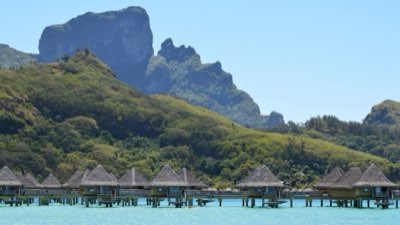
If you are traveling to this turquoise paradise, you aren't just looking for a plate of food—you are looking for a sensory masterpiece that matches the grandeur of Mount Otemanu.
To navigate this, you must balance the ultra-refined service of overwater bungalows with the raw, vibrant flavors of local markets.
Key Takeaways * Dining choices are inextricably linked to your accommodation; luxury is often defined by the seamlessness of your resort's culinary packages. * True luxury requires pre-planning, especially for signature tasting menus or private sunset dining experiences.
* The ultimate itinerary balances high-end resort indulgence with authentic, earth-to-table local flavors. * Success lies in pairing world-class service with the seasonal, untamed ingredients of the South Pacific.
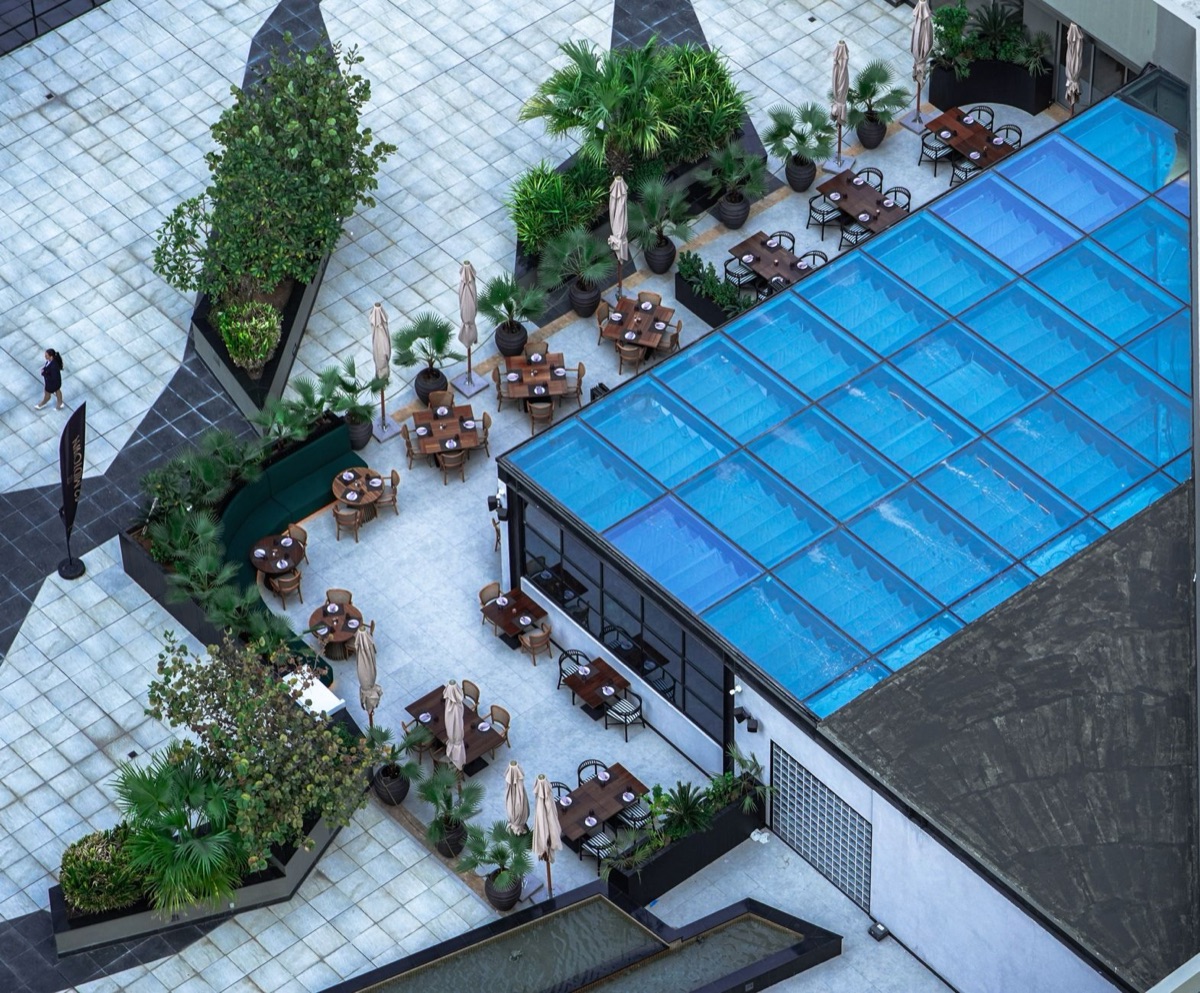
Why is dining in Bora Bora more than just eating?
The sun dips low over the lagoon, casting a bruised purple light across the water as a waiter sets a single, linen-draped table on a private pier. You hear nothing but the rhythmic lap of the tide against the wooden pilings and the distant clink of ice in a crystal glass.
According to the World Bank, French Polynesia recorded GDP growth of 1.1% in 2024.
In this moment, you realize that the setting is just as much a part of the flavor as the salt on the rim of your glass.
In Bora Bora, the culinary landscape is split into two distinct worlds: the curated, globalized excellence of five-star resorts and the elemental, soul-satisfying simplicity of local fare.
One offers a controlled masterpiece of French technique and Pacific ingredients, while the other offers a direct connection to the volcanic soil and the deep blue. The "Island Time" factor also plays a massive role in your expectations.
While your luxury resort might offer a seamless, high-paced service to meet Western standards, the local rhythm is much slower.
You cannot rush a meal here; the transition from the heat of the day to the cool of the evening dictates the pace of every service. Furthermore, the setting dictates roughly 50% of the value of your meal.
A dinner on a private overwater bungalow terrace offers a sense of isolation and intimacy that a traditional dining room cannot replicate.
Because of this, pre-trip planning is non-existent for the casual traveler but essential for the luxury traveler. Booking a specific chef’s tasting menu or a private sunset cruise months in advance is often the only way to secure the specific ambiance you desire.
But what happens when you step away from the private docks and into the heart of the island?
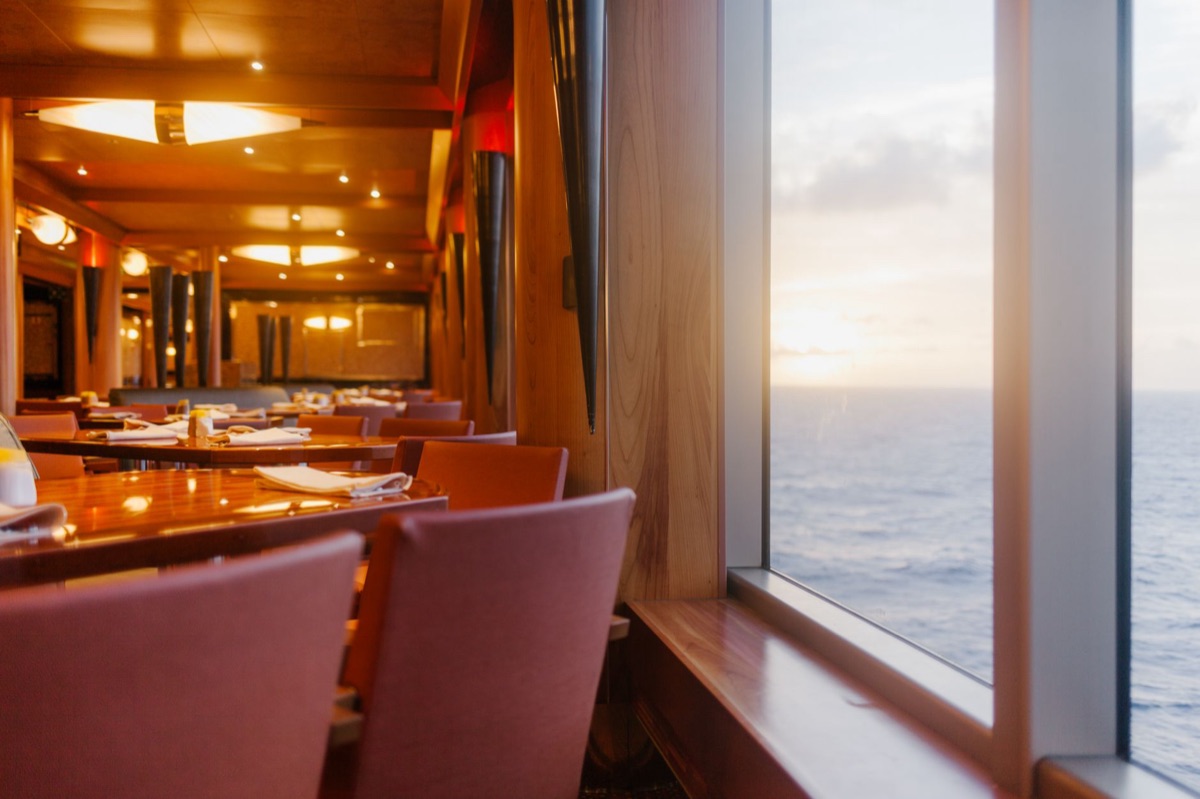
What is the real difference in resort dining?
A white linen napkin is folded into a sharp peak on a table that seems to float between the sky and the sea. As you sit, the transition from the bright midday sun to the soft, ambient glow of the bungalow's interior creates a cocoon of privacy.
You aren't just eating; you are suspended in the middle of the Pacific.
When comparing top-tier resorts, the difference often lies in the "Dining Tier." For example, a standard luxury package might include breakfast and a buffet, but a premium tier often unlocks private lagoon-side dining or specialized seafood towers.
Comparing a property that focuses on "all-inclusive luxury" versus one that offers "à la carte exclusivity" is vital for your budget. In the former, you have peace of mind; in the latter, you have a curated, bespoke experience that changes every night.
The signature dishes you must seek out often involve the marriage of French sophistication and local bounty. Look for dishes featuring black coral-inspired presentations or specific preparations of local snapper and mahi-mahi.
The provenance of the ingredients—whether the vanilla is from Tahiti or the fish was caught that morning in the lagoon—is the true luxury.
The service element at the highest tier is characterized by a "silent presence." A great sommelier in Bora Bora doesn't just suggest a wine; they tell the story of the vintage to complement the acidity of a local citrus garnish. Beyond the food, the beverage program is a pillar of the experience.
Expect rare local champagnes or cocktails infused with fresh tiare flowers and passionfruit.
| Feature | Standard Luxury Resort | Ultra-Premium Boutique Resort |
|---|---|---|
| Dining Setting | Main restaurant or poolside | Private villa or secluded beach pier |
| Menu Style | International fusion & buffet | Bespoke chef-driven tasting menus |
| Service Level | Attentive and professional | Personalized, anticipatory, and private |
| Ingredient Focus | High-quality global imports | Hyper-local, seasonal, and rare |
When I stayed at a private villa in 2025, I noticed that the most expensive meals weren't always the ones with the most gold leaf, but the ones where the chef personally brought out a single, perfect piece of fruit caught that morning. However, the sheer variety of the islands can be overwhelming.
How do you embrace local authenticity?
The morning air in the local village is thick with the scent of blooming hibiscus and the sharp, salty tang of the ocean. You walk through a small, open-air market where the colors of dragon fruit and mango compete with the silver flash of freshly caught fish laid out on ice.
It is loud, vibrant, and entirely different from the quiet luxury of your resort.
To truly understand the palate of French Polynesia, you must step away from the resort. While the luxury hotels provide comfort, the local markets provide the pulse of the islands.
Here, you find the real produce: taro root, breadfruit, and various tropical fruits that haven't been filtered for international shipping.
The challenge is discerning between a genuine local eatery and a tourist trap. To find authenticity, look for places where the menu is limited and the ingredients are dictated by the morning's catch.
A common way to identify a quality local spot is to observe the local community; if the residents are congregating there, the flavor profile is likely legitimate.
Cultural immersion often comes through traditional preparation methods. You might encounter *Poisson Cru*—raw fish marinated in lime juice and freshly squeezed coconut milk—which is a staple of the islands.
Learning how taro is steamed or how fish is cured in the sun provides a deep connection to the history of the people.
For luxury travelers, a "day trip" dining scenario is the best way to integrate this.
You can structure your day to visit a local village for a lunch of authentic Polynesian fare, ensuring you stay within the luxury narrative by using a private driver or a chartered boat to transition between the wild markets and your refined accommodations.
But how do you actually organize these two worlds into one trip?
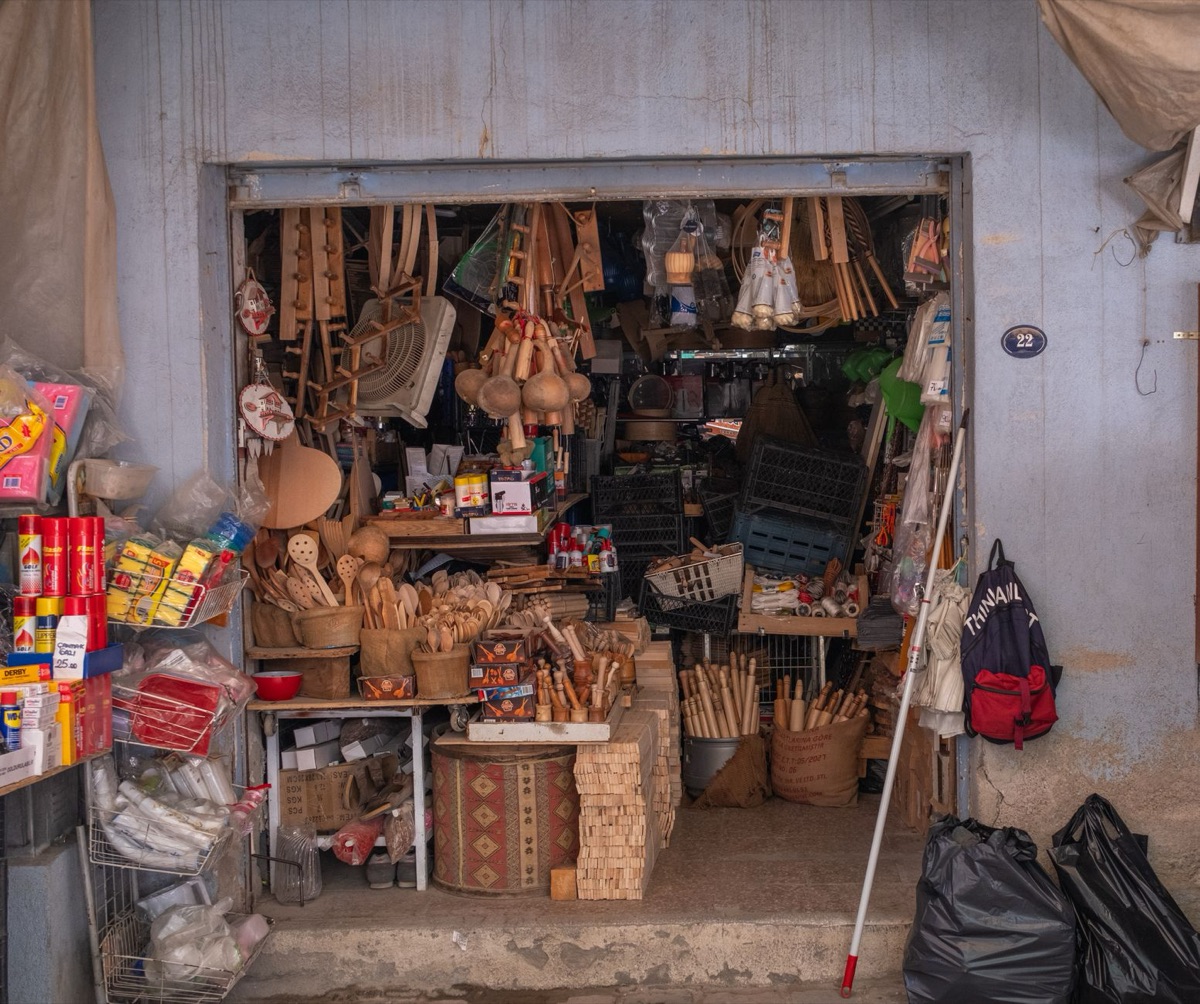
How do you curate the perfect itinerary?
A handwritten note from the chef sits beside a small plate of coconut-infused appetizers. The transition from the morning's adventurous exploration to the evening's refined elegance is seamless, guided by a carefully planned schedule of flavors.
To build a perfect itinerary, you must balance the "high" and the "low." If you spend your morning on a rugged boat tour, your lunch should be something light and local. If you spend your afternoon in a spa, your evening should be a heavy, celebratory fine-dining affair.
- Research the Season: Check local seasonal availability. Certain fruits and fish are only peak-quality during specific months.
- Book Signature Experiences Early: If a specific resort has a legendary "Table in the Sea," book it the moment your room is confirmed.
- Mix Your Environments: Do not eat every meal in your resort. Schedule at least two "authentic" meals to prevent palate fatigue.
- Inquire About Dietary Customization: High-end resorts often allow you to pre-order specific ingredients for a private dinner.
- Balance the Budget: Allocate more toward one or two "bucket list" meals rather than spreading the budget thin across every single dinner.
It is important to note that these tips assume you have access to reliable transportation and a baseline level of comfort. If you are traveling on a very tight budget or during the peak of the hurricane season, the availability of fresh ingredients and private dining may fluctuate wildly.
Comments 0